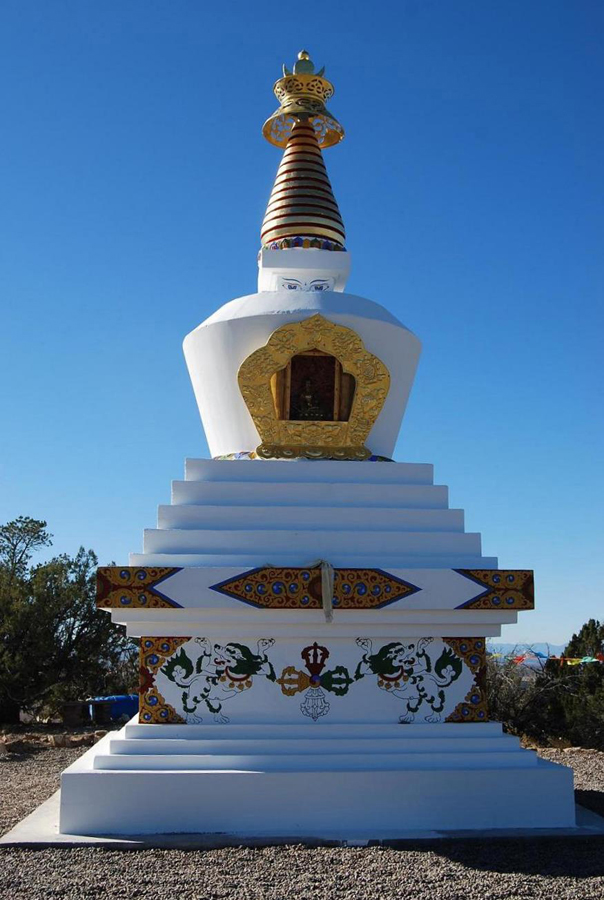
It is said to have been placed on the summit of mt. And his vision was blinded by his own disputations.
The Whitewater Rafter's Guide to the 8 Auspicious Symbols
In buddhism, this demon stands for passion, lust and pride.

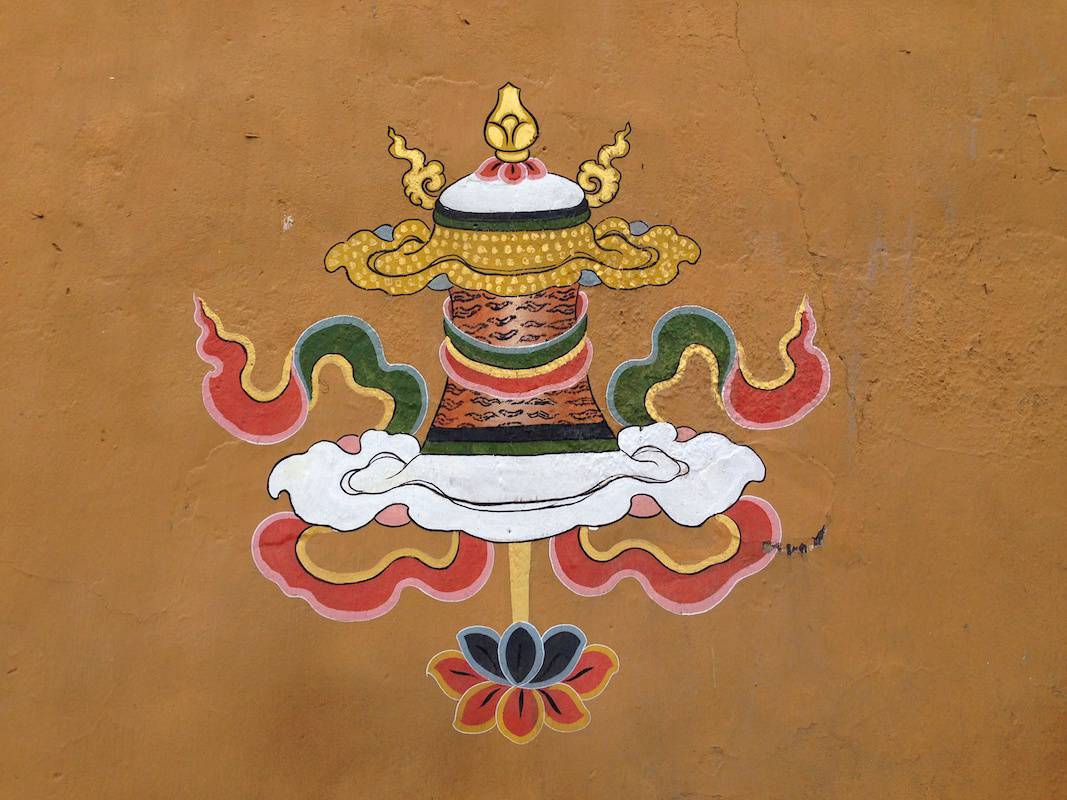
Banner of victory buddhism. This way, we can shine our brightest and create happiness for ourselves and others. By the grace of this, may joyous victory be mine. The victory banner is a symbol in tibetan buddhism that celebrates enlightenment.
This demon, in buddhism, is synonymous with passion, lust, and pride. The victory banner was adopted by early buddhism as an emblem of the buddha's enlightenment, heralding the triumph of knowledge over ignorance. The victory banner is basically a symbol of the buddhist doctrine as a path to overcoming selfish desires to reach spiritual enlightenment.
The victory banner represents the buddha’s enlightenment. Buddhism is a struggle to be victorious. Those who remain steadfast in faith are victors.
The parasol is the buddhist symbol for strength and for protection from harm, illness, obstacles, and difficulties. The banner of victory this symbol represents how buddha won over the demon mara. Buddhist symbol of the victory of wisdom over ignorance.
Originally based on the use of banners in warfare, the victory banner in the buddhist context symbolizes the victory of positive virtuous forces over negative ones and the invincibility of an enlightened being. Buddhist inner sciences” held at tibet house us in new york city & is apart of the tibetan medicine 101 series. Meru by buddha himself, symbolizing his victory over the entire universe.
On the morning following the night buddha spent under the bodh gaya tree and during which he. In sanskrit, the banner or sign of victory is known as the dhvaja, meaning standard, flag or sign. About press copyright contact us creators advertise developers terms privacy policy & safety how youtube works test new features press copyright contact us creators.
You can place the victory banner in the center of your home or office. It’s used to remind people that they, too, must overcome their pride, lust and passion if they want to attain enlightenment. It is easy for us to allow our emotions to run away with us, and the buddha, together with other religious texts and philosophies, explain how mastery of the self is the.
What is the buddhist symbol for strength? The banner of victory represents the buddha’s body and his victory over the four kinds of evil forces and other opponents. The flag of victory,in sanskrit the dhvaja.
It announces that all spiritual obstacles have. The banner is drawn from hindu religious symbolism, and is shared with the sikh and jain religions, after the standards carried into battle by military leaders. You can also place it in the sector where the #1 white flying star resides to further enhance its good influences.
You can place the victory banner in the center of your home or office. The banner of victory is used to remind people that one must win over their own pride, lust, and passions to be able to reach enlightenment. This is said to help you triumph over competitions, obstructions, obstacles and enemies.
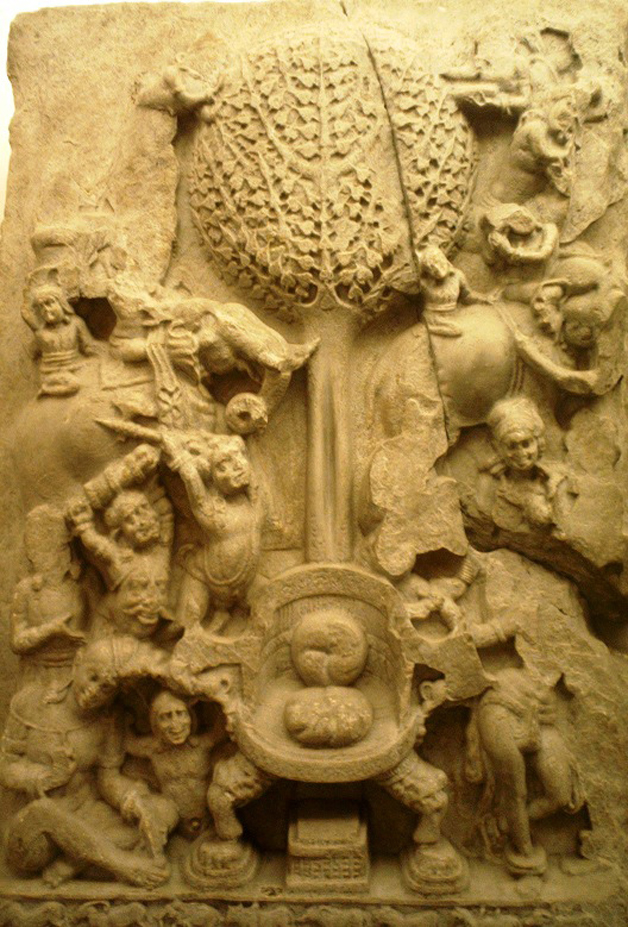
Victory banner (dhvaja) the victory banner (dhvaja, flag) in buddhism symbolizes victory of the dharma over fear, ignorance, and death. The banner of victory shows how buddha defeated the demon mara. This is believed to help you triumph over competitions, obstructions, obstacles and enemies.
Again, mount meru here is believed to be the central axis supporting the world. This way, we can make the people’s cheers of victory ring out far and wide.”. Mara, the evil one, assuming a fierce form with a thousand arms;
The victory banner is one of the auspicious eight buddhism objects. It symbolizes the victory of buddhist teachings over ignorance. Originally, the victory banner was a military standard carried in ancient indian warfare, and bore the specific insignia of its champion.
Tam tejasa bhavatu me jayamangalani. The banner of victory the eight auspicious signs of buddhism are related to a main event in the life of the historical buddha (cakyamuni). A drawing of the buddhist version of a dhvaja usually looks like four flags on the same staff.
Tibetan buddhist encyclopedia reports that the dhvaja, which means flag or banner, was originally used in ancient indian military warfare. With strong and consistent faith, live wisely, work hard, polish your character, and lead happy lives.” victory or defeat only becomes clear over the course of a lifetime. It is a victory banner.
Traditionally, cylindrical victory banners made using copper were placed at all the four corners of the temple and monastery roofs to symbolize the buddha’s triumph radiating to the four directions. Raising the banner of victory on the mountain peak is an excerpt from the force for good class “medicine buddha: Him the sovereign sage conquered by evoking the might of his exalted perfection of giving, among others.
The victory banner is one of the auspicious eight buddhism objects. More precisely it represents the stage of higher consciousness when an individual has mastered their emotions. Each brandishing a deadly weapon, stormed forward roaring, accompanied by his formidable hosts and riding on his elephant, girimekkhala.
The eight auspicious symbols of tibetan buddhism consist of:
THE BUDDHA OM PICTURES, PICS, IMAGES AND PHOTOS FOR
THE NAGA BUDDHIST PICTURES, PICS, IMAGES AND PHOTOS FOR

THE ENDLESS KNOT PICTURES, PICS, IMAGES AND PHOTOS FOR
GOLDEN FISHES PICTURES, PICS, IMAGES AND PHOTOS FOR

EMPTY THRONE PICTURES, PICS, IMAGES AND PHOTOS FOR INSPIRATION
BUDDHA PICTURES, PICS, IMAGES AND PHOTOS FOR INSPIRATION
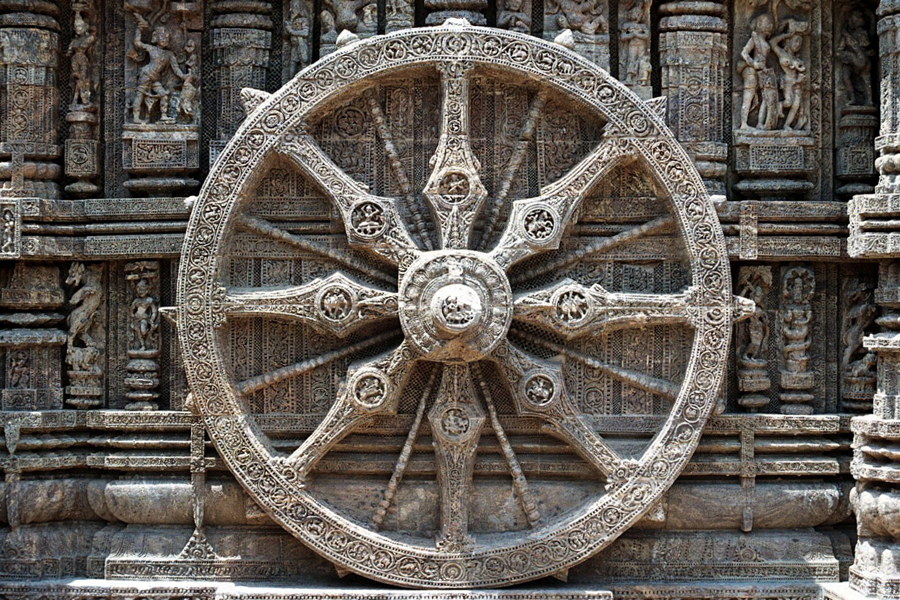
DHARMA CHAKRA PICTURES, PICS, IMAGES AND PHOTOS FOR
STUPA PICTURES, PICS, IMAGES AND PHOTOS FOR INSPIRATION