The hearth was the center of the home and letting the fire go out would be a sign of neglect toward the family. While representing the home, hearth, family, and fire, the roman goddess vesta means “mother” in roman mythology.
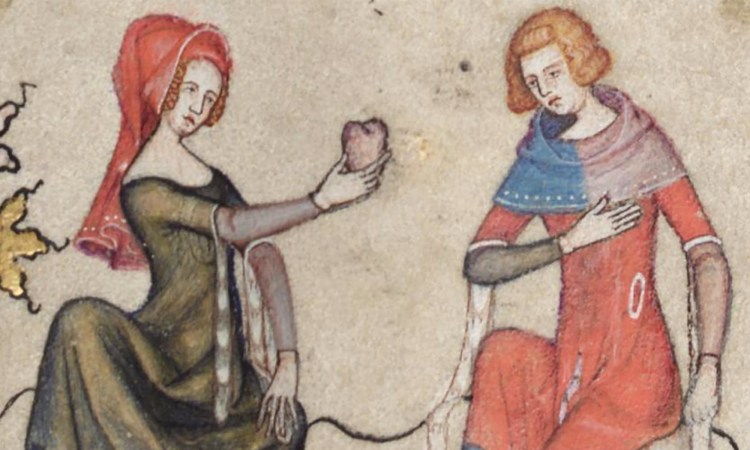
How Did The Human Heart Become Associated With Love And How Did It Turn Into The Shape We Know Today
The heart shape is recognized the world over as a symbol of romantic love and affection, but its historical origins are difficult to pin down.

What did the hearth symbolize for the roman family. Hestia (also known as the roman goddess vesta) is often represented by goddess symbols associated with her personality traits, the sacred flame, and her contribution to civilization, personal households, and to architecture. Appropriately, her priorities were family and community. The greeks also used the hearth to welcome visitors, to honor a dead person, and in some cases, to make an offering to the gods during the daily meals.
She was also known as the patron of the houses and family life and is known to be the protector of homes and their sanctity. The chief gods were the guardian deities, the lares and penates. Her name literally means “hearth”;
This spirit stayed with an individual until death. Children were accepted into the family by being presented at hestia’s hearth. Public and private worship of hestia was widespread.
The household gods’ images were placed at the dinner table to partake in the family meal. Vesta was the roman goddess of fire, the hearth, the home and the roman state. In the richer homes, there was a painting or sculpture to represent the household gods and offerings were left in front.
For many, the heart of roman polytheism lays with the lararium, or household shrine. No sane roman wanted to be haunted, so they held ceremonies to satisfy the spirits. Hestia is the virgin goddess of the hearth, family, home, sacrificial flame, domestic life, cooking, the state and architecture in greek mythology.
She was the first recipient of all the burnt offerings sent to the gods by the humans below. The hearth was a mobile brazier that was used to keep warm, to cook, and as a source of light in the homes of ancient greece. Vesta is the virgin goddess of the hearth, home, and family in roman religion.
Within the family group the father was honored as chief priest; Vesta's presence is symbolized by the sacred fire that burned at her hearth and temples. During the ancient roman period, a red colored flag symbolized war or battle.
For instance, forculus protects the door, limentinus the threshold, cardea the hinges, and vesta the hearth. His home was the temple, and his hearth was the altar. At the parentalia or feralia on the 18th and 21st of february, living descendants shared a meal with the benevolent spirits of their ancestral ( manes or di.
These roman household gods were guardian spirits who protected the home and the family from illness and invasion. Vesta was the roman equivalent to hestia. Some believe the iconic pictogram is derived from the.
As zeus’s fire keeper, hestia served an even more important function. Hearth, home, living flame, architecture, bowl, veils, pantry, and keys. As respected english scholars beard, north and price write:
The lit hearths in all greece were worship places for all the gods. The roman house itself was the centre of family and private religion. The worship of roman gods in dii familiaris went as far as to assign a protector spirit to different areas of the house.
The hearth fire was kept lit at all times. This observed first step ensured the goddess’s blessing on the new addition. It was a custom to present the first offering at every sacrifice at the house to her.
Family worship took place every day at meal times, when the father threw a little food and wine into the flames of the hearth as an offering to the gods. When her brother jupiter defeated the titans, and ascended the throne of the gods on mount olympus, he offered to her grant whatever she asked.