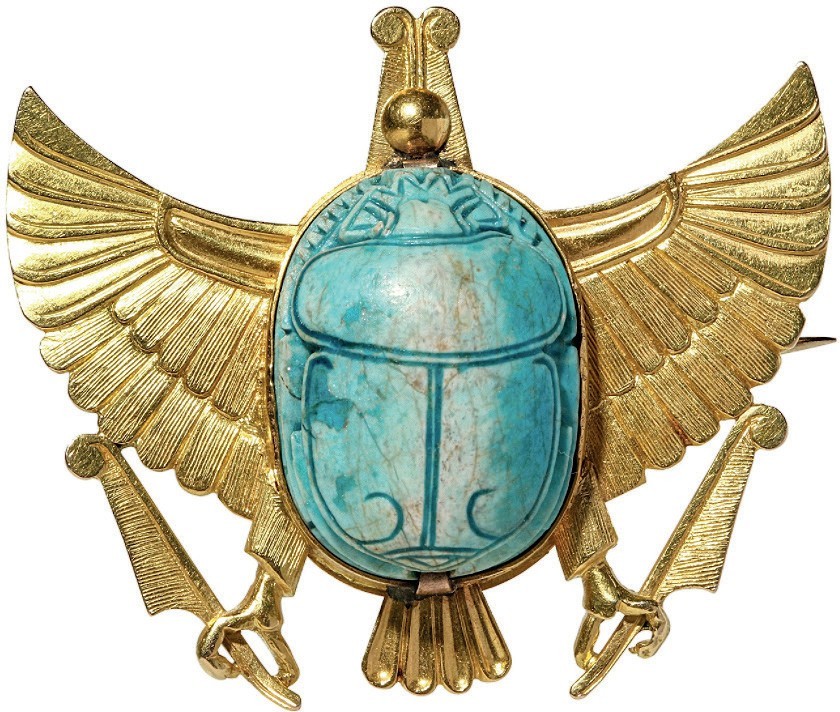
Decoration made of gold using a. The egyptians saw the egyptian scarab (scarabaeus sacer) as a symbol of renewal and rebirth.
Five lots to watch at auction this week including an
The tutankhamen`s name was encrypted in the symbols of pectoral and it means «the lord of the sun transformations».
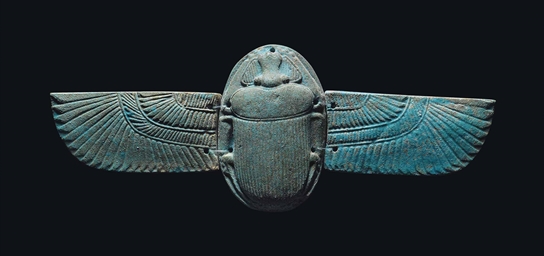
Ancient egyptian winged scarab beetle. They found the young ones of scarab beetles emerge from the dung balls, all of a sudden; The scarab was associated with the god khepri who was the god or rebirth, creation, and the sun. The beetle was associated closely with the sun god because scarabs roll large balls of.
As i have already mentioned, it was a true belief that the protection of this amulet continued after death, when the deceased would meet osiris. Scarab beetles were considered sacred in ancient egypt, and these insects were linked with the religion and mythology of the land. There is a head, wing case, and legs.
Abdul moneim abdul azim, archaeological researcher, director of studies of the heritage of upper egypt, says that the egyptian scarab beetle was closely related to the idea of creation automatically, through linguistic similarity, considered by the ancient egyptians to represent the creator lord who created himself 'khabari' like the sunshine, as the scarabs. A very significant symbol because it represented the sun god ra, scarabs were popularly used as amulets in ancient egypt. Through modern cinema and film, western society has come to perceive the egyptian scarab as a destructive and evil entity, but the ancient egyptian understanding of the beetle was very different.
To become or to come into existence, as in an exalted sense, like the pharaoh when he transforms into the sun god ra. And so, they linked these beetles to. The egyptian scarab beetle is a real beetle, a common beetle.
Indeed, khepri is the form that the creator god ra took to create the sun in egyptian mythology. Dung beetles were the earthly personification of khepri as they would lay their eggs in balls of dung and then roll the. Scarab beetles were considered a lucky symbol by ancient egyptians.
The scarab beetle and mummification facts in ancient egypt during the mummification process, the heart of the deceased was often compared to a granite engraving in which several scarabs were carved. The theme of death and rebirth being so central in ancient egypt, the scarab beetle was one of the most popular amulets in for hundreds of years, worn by both the living and the dead. 2021 additions to the collection.
Winged scarab beetle with hieroglyphs. Khepru, the egyptian glyph in the form of a scarab beetle, means: Seals were created in the shape of a scarab and used to stamp documents.
A scarab is shaped like a dung beetle. It is sometimes rounded and sometimes flat. They called this power as khepri and depicted as a scarab beetle rolling the sun across the sky.
To the ancient egyptians, this common beetle symbolized hope and the restoration of life. Browse 977 egyptian scarab beetle stock photos and images available, or start a new search to explore more stock photos and images. The egyptian scarab beetle was a symbol of death and rebirth.
It seemed to the ancient egyptians that the young scarab beetles emerged spontaneously from the burrow were they were born. Learn more about this item. Therefore they were worshipped as khepera, which means he was came forth. this creative aspect of the scarab was associated with the creator god atum.
In real life, the scarab beetle lays its eggs in a ball of dung and rolls the ball ahead of it. Its popularity even reached beyond the borders of egypt, to the east, where it was found imported. 3 comments sign in to leave a comment.
The sun was depicted as various things khepri was one among the many depictions. Khepri is one of the first gods of ancient egypt (appeared in 5000 bc). The name of this beetle god means the sun in the making.
In fact, you see this glyph most commonly in the cartouches. The early egyptians may have seen the beetles roll dung balls on the ground. Ancient egyptian winged scarab beetle.
They used the design of a scarab beetle in many ways. Scarab, latin scarabaeus, in ancient egyptian religion, important symbol in the form of the dung beetle (scarabaeus sacer), which lays its eggs in dung balls fashioned through rolling.this beetle was associated with the divine manifestation of the early morning sun, khepri, whose name was written with the scarab hieroglyph and who was believed to roll the disk of the morning sun. They might have thought there is power that rolls the sun’s orb across through the sky as well.
The decoration is made of gold with many gemstones. The scarab originated in ancient egypt. Winged scarab, winged beetle, ancient egypt, ancient egyptian symbol, ancient egyptian emblem, pharaoh, sacred, free vector graphics, free illustrations, free images, royalty free.
This kind of beetle was highly symbolic to ancient egyptians, it represented rebirth and renewal. Artisans made scarab jewelry using precious gems and painted clay. Ancient egyptians also revered these insects for symbolizing the circle of life and death, as well as embodying the concept of existence, growth, and development.
There is a winged scarab beetle on the traditional breast attire of the rulers of ancient egypt in the famous tutankhamen’s pectoral. It may once have stood in an egyptian temple but it was found in constantinople (modern istanbul) in turkey. It is around one and a half meters long and is one of the largest known representations of a scarab beetle.
It may have been taken from egypt to. They believed that the sun was pushed across the sky every day by a giant scarab, the god khepri.
Winged scarab winged beetle ancient egypt. What did the scarab beetle mean to ancient egyptians?
Dung Beetles, Scarabs, and the Milky Way Galaxy Crystalinks
It is around one and a half meters long and is one of the largest known representations of a scarab beetle.
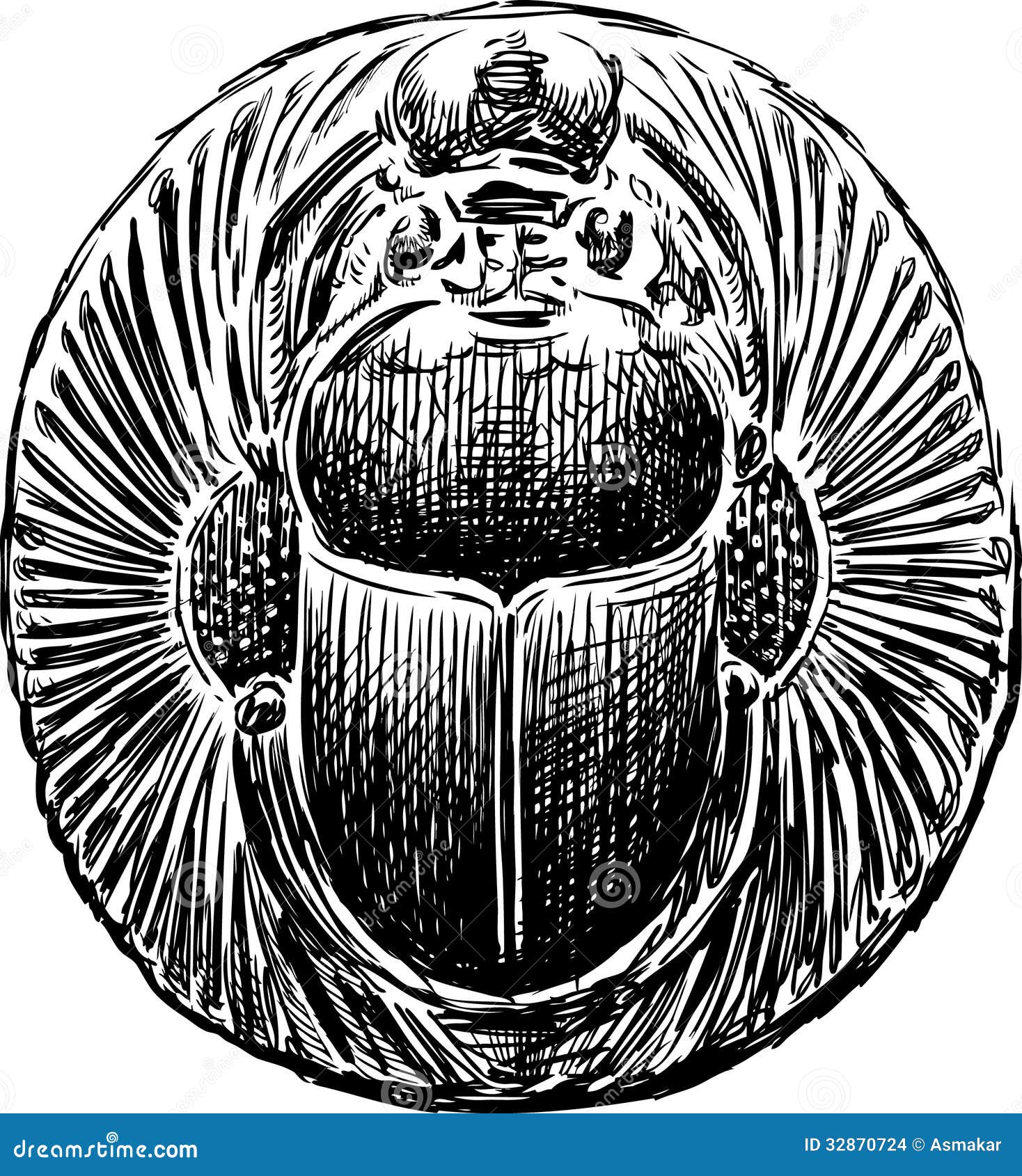
Winged scarab beetle ancient egypt. Its popularity even reached beyond the borders of egypt, to the east, where it was found imported. The beetle would lay its egg within the dung which became a symbol of rebirth and regeneration. As the sun rolls across the sky between day to night, the egyptians saw this as the scarab beetle rolling its ball of dung across the desert.
They were most often made from green, blue or black material such as faience or stones, because these were the colors associated with the birth of nature and the black silt that brought fertility to. What does scarab mean in ancient egypt? The egyptians saw the egyptian scarab (scarabaeus sacer) as a symbol of renewal and rebirth.
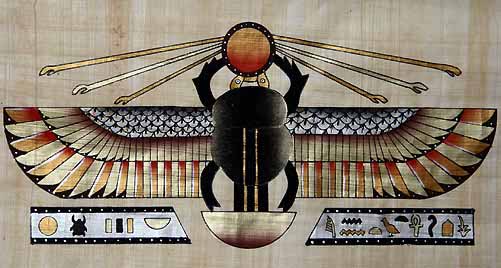
It is sometimes rounded and sometimes flat. The winged beetle supporting the sun is a famous motif in the art of ancient egypt, representing the sun god khepera (or khepri) who is responsible for the rebirth of the sun at dawn. The scarab was the most important amulet in ancient egypt.
Through modern cinema and film, western society has come to perceive the egyptian scarab as a destructive and evil entity, but the ancient egyptian understanding of the beetle was very different. The scarab originated in ancient egypt. As i have already mentioned, it was a true belief that the protection of this amulet continued after death, when the deceased would meet osiris.
The scarab beetle was the symbol of new life, of beginnings and of becoming. The scarab beetle and mummification facts in ancient egypt during the mummification process, the heart of the deceased was often compared to a granite engraving in which several scarabs were carved. Learn more about this item.
Scarab beetle in ancient egypt. Regarded as sacred, it was a very important symbol in ancient egypt. Scarab beetles were considered sacred in ancient egypt, and these insects were linked with the religion and mythology of the land.
In fact, scarab beetle amulets have been used in egypt, through the centuries. The scarab’s life revolves around these dung balls. The colors were rich and beautiful.
Winged scarab, winged beetle, ancient egypt, ancient egyptian symbol, ancient egyptian emblem, pharaoh, sacred, free vector graphics, free illustrations, free images, royalty free. A golden scarab of nefertiti was discovered in the uluburun wreck. Scarabaeus sacer or scarab, also known as kheper beetle, is a large dung beetle native to the eastern mediterranean area.
The scarab was associated with the god khepri who was the god or rebirth, creation, and the sun. In ancient egyptian religion the scarab was also a symbol of immortality, resurrection, transformation and. It may have been taken from egypt to.
An inscription was often added with the name of the owner and perhaps a motto or a message, like, “good luck in your new job”. The particular species of beetle represented in the numerous ancient egyptian amulets and works of art was commonly the large sacred scarab (scarabaeus sacer).this beetle was famous for his habit of rolling balls of dung along the ground and depositing them in its burrows. Scarabs were known as far back as the old kingdom.
In real life, the scarab beetle lays its eggs in a ball of dung and rolls the ball ahead of it. Indeed, khepri is the form that the creator god ra took to create the sun in egyptian mythology. Winged scarab double strand necklace:
The name of this beetle god means the sun in the making. A scarab is shaped like a dung beetle. It may once have stood in an egyptian temple but it was found in constantinople (modern istanbul) in turkey.
Going back as early as 2345 b.c the scarab beetle or scarabaeus sacer is by far the most important amulet of ancient egypt. They are also depicted in other ornaments and works of art. There is a head, wing case, and legs.
They believed that the sun was pushed across the sky every day by a giant scarab, the god khepri. The scarab beetle lays its eggs in dung balls formed through rolling. The ancient egyptians believed that khepri rolling it above the horizon was the new birth of the star sirius.
The scarab beetle symbolised the sun because the ancient egyptians saw a likeness between the scarab beetle rolling the dung and the sun god rolling the sun, making it shine on earth. The beetle was associated closely with the sun god because scarabs roll large balls of. Khepri is one of the first gods of ancient egypt (appeared in 5000 bc).
Ancient egyptian winged scarab beetle. In ancient egypt, scarab jewelry, good luck charms, and amulets were often given as gifts. The theme of death and rebirth being so central in ancient egypt, the scarab beetle was one of the most popular amulets in for hundreds of years, worn by both the living and the dead.
Scarabs came in many designs including winged scarabs. This a species of dung beetle was thought to rebirth itself in a pile of dung each day to push the sun across the sky. Blue symbolized the nile river.
The egyptian scarab beetle was a symbol of death and rebirth. This kind of beetle was highly symbolic to ancient egyptians, it represented rebirth and renewal. The tomb of the 18th dynasty ancient egyptian pharaoh tutankhamun was discovered in 1922 by.
The egyptian hieroglyphic script uses the image of the beetle to represent a triliteral phonetic that egyptologists transliterate as xpr or ḫpr and translate as to come into being, to become or to transform. Scarab bracelet from tutankhamun's tomb, 14th century bc.
The eggs of the scarab beetle are laid in dung and so emerge fully formed, their incubation hidden from the world. He was represented as a scarab or dung beetle, or as a man with a beetle head.

tattoo disasters Egyptian Tattoos
Khepri is one of the first gods of ancient egypt (appeared in 5000 bc).

Egyptian god with scarab head. According to ancient egyptians, khepri rolls the sun across the sky every day just like a dung beetle would roll dung. He represented the rising and moving of the morning sun and is therefore known as the sun god. The name means 'khabar or 'khaybar (the newborn), which means (to come into being;
Also an alchemist, kircher believed that the scarab was the prima materia, a substance required to create the philosopher's stone that supposedly could turn metals like silver and iron into gold. Observing the insect’s behavior, the egyptians interpreted it as similar to the ball moving across the sky daily. Indeed, khepri is the form that the creator god ra took to create the sun in egyptian mythology.
The scarab beetle was observed to roll it's eggs in a ball of dung along the ground, and the ball was identified with the sun. Appear/coming into existence), 'khebar' was the first god of the sun indicates to exist after creation; Horus was an egyptian god who was usually shown with the body of a man and the head of a falcon.
He also represented the renewal. The name of this beetle god means the sun in the making. The egyptians connected the sun’s movement with the dung balls pushed by the egyptian beetle and the scarab’s antennae on its head resembled the solar disc flanked by horns worn by numerous deities.
This god, khepri, was usually depicted as a scarab beetle, though sometimes as a man with a scarab head, and was considered to be a sun god, among other things. In many artifacts, the scarab is depicted pushing the sun along its course in the sky. Khepri’s name was inscribed with the scarab hieroglyph, kheper, which embodies the ideas of existence, manifestation, effectiveness, and growth or development.
Anubis is a greek rendering of this god's egyptian name. The baby beetles were seen to. The god khepri, which literally means he who is coming into being, was a creator god and a solar deity.
The egyptians saw the egyptian scarab (scarabaeus sacer) as a symbol of renewal and rebirth. Before the greeks arrived in egypt, around the 7th century bc, the god was known as anpu or inpu. The root of the name in ancient egyptian language means a royal child. inpu has a root to inp, which means to decay. the god was also known as first of the westerners, lord of the sacred land, he who is upon his.
As the sun symbolises life and energy, the relationship between khepri and the scarab was. Through modern cinema and film, western society has come to perceive the egyptian scarab as a destructive and evil entity, but the ancient egyptian understanding of the beetle was very different. Find out why he’s considered a deity of creation, rebirth, and resurrection.
It is not surprising that the scarab. The god khepri is depicted with a scarab head and was believed to be responsible for the sunrise, rolling the morning sun’s disk over the eastern horizon at dawn. Because scarab beetles roll dung, they also became associated with the movement of the sun across the sky.
The beetle was associated closely with the sun god because scarabs roll large balls of dung in. Osiris (the god of the underworld) was his father and Khepri was considered an “insect” god and was depicted with a dung beetle for a head in ancient drawings.
However, it was not until the egyptian sun god, khepri, was depicted as a man with a beetle head when the scarab would be seen as sacred.