The flower is considered pure as it is able to emerge from murky waters in the morning and be perfectly clean. In buddhism, the lotus flower symbolizes the eightfold path which is one of the highest teachings of buddha.
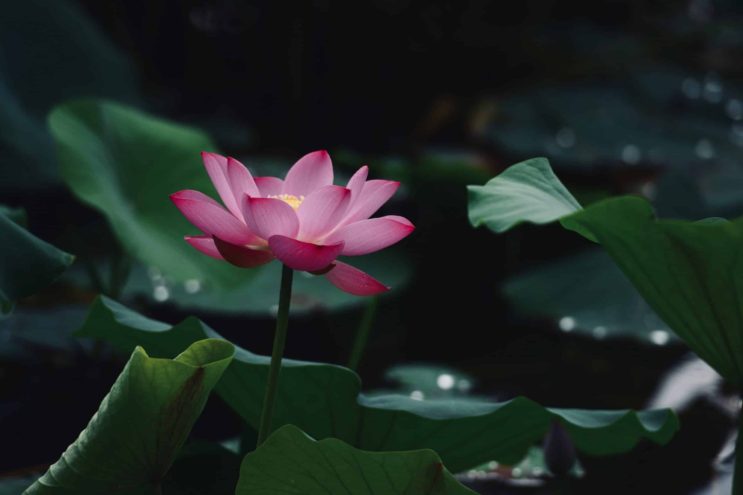
The Lotus Flower and its Significance in Thailand The
While some colors are prevalent, one hue that is a bit of an enigma in terms of its spiritual significance is the black lotus flower.

Lotus flower significance in buddhism. In buddhism, a pink lotus represents the buddha himself. The lotus flower represents one symbol of fortune in buddhism. Because in lotus flower, the flower and seeds are formed simultaneously, it symbolises the simultaneity of cause and effect.
It grows in muddy water, and it is this environment that gives forth the flower’s first and most literal meaning: This beautiful flower holds a lot of significance in buddhist culture. Its characteristics are a perfect analogy for the human condition:
The influence is apparent in buddhist literature and art too. As you can imagine, a flower with such spiritual symbolism has many uses, and not just in legends and statues. The lotus flower symbol has deep, mythic meaning for many cultures.
According to legend, everywhere the baby buddha stepped, a lotus flower bloomed. The lotus flower represents the awakening of buddha. Each color has its own unique symbolism, but the black lotus is somewhat of a mystery.
A white lotus flower refers to purity of the mind and the spirit. The lotus is one of buddhism’s most recognizable symbols of enlightenment and is important in many buddhist traditions. As you will know in the later sections, the mud symbolizes the obstacles of material life and the blooming of the petals symbolizes the overcoming of the said obstacles that ultimately set and.
The lotus blossom has been revered, attributed to deities, and meditated on for thousands of years. A pink lotus symbolizes the essence of buddha. The importance of lotus is because of lotus sutra, the most important teaching of sakyamuni buddha, especially for mahayana buddhism.
In asian art a lotus throne is a stylized lotus flower used as the seat or base for a figure. How is the lotus flower used today. Buddhists symbolize many aspects of their beliefs with items or living beings found in the physical world.
It uses wisdom and logic to create enlightenment. It also acts as a reminder that all humans have the potential and strength to reach the stage of awakening. The blue lotus flower refers to the common sense;
Sometimes a flower is partly open, with its center hidden, indicating that enlightenment is beyond ordinary sight. A white lotus flower refers to purity of the mind and the spirit. In buddhism, the symbolism of a lotus flower also differs depending on its color.
The lotus flower’s iconography and spiritual history is rich and deep. Lotus flowers have special significance in buddhism, often representing purity, faithfulness, and enlightenment. Before the evolution of buddhism, the flower had garnered high prestige already.
According to buddhism, a fully bloomed lotus signifies enlightenment. To buddhists, the lotus represents the entire lifecycle of life. If a lotus flower is red, it refers to compassion and love.
The mystical lotus bloom appears in poetry, the writings of saints and sages, on temple walls, and as a central concept in several world religions. This is the basis of karma. In this part, we will learn the significance of the lotus flower in the buddhist and hindu cultures.
The meaning the lotus flower in buddhism The lotus flower is a major symbol in buddhism, in addition to the dharma wheel and the stupa. The citings are found in many scriptures of different religions.
For instance, a blue lotus flower symbolizes a spirit’s victory over knowledge and wisdom. Represents the spirit’s conquest over the senses. A red lotus represents love and compassion.
A yellow lotus meaning means spiritual ascension. Lotus flower meaning in buddhism in buddhism the lotus is known to be associated with purity, spiritual awakening and faithfulness. In buddhist art, a fully blooming lotus flower signifies enlightenment, while a closed bud represents a time before enlightenment.
Due to its symbolism, the lotus flower has a variety of uses. In buddhism, the lotus flower takes on many spiritual meanings. The pink lotus flower represents the history of buddha and the historical.
If a lotus flower is red, it refers to compassion and love. Because these delicate flowers also grow in muddy waters, lotuses symbolize the ability to rise above physical challenges in. The second meaning, which is related to the first is purification.
It holds significant importance to adherents of buddhism due to existing legend, which portrays the greatness of gautama buddha who was born with the capability to walk as a child. The famed lotus sutra is one of the most important texts of mahayana buddhism and is the foundation of the pure land schools. It resembles the purifying of the.
It is the normal pedestal for divine figures in buddhist art and hindu art, and often seen in jain art.originating in indian art, it followed indian. The sanskrit title of lotus sutra is saddharma pundarika. The lotus, nelumbo nucifera, is an aquatic plant that plays a central role in the art of indian religions such as hinduism, buddhism, and jainism.
Even when its roots are in the dirtiest waters, the lotus produces the most beautiful flower. As a whole, the lotus flower signifies rebirth or reincarnation. The lotus is a symbol of purity, renunciation, rebirth, and the presence of buddha in the buddhist culture.
The color bears importance in the meaning of the lotus flower in buddhism. Symbolizes avalokiteshwara, the bodhisattva of compassion. Rising and blooming above the murk to achieve enlightenment.
Lotus is a symbol of purity and fortune. The lotus flower is only one of the many living beings that hold a vast significance. White lotuses signify peace and purity, while red lotuses, much.
Black lotus flower meaning in buddhism. Buddhism states that just like the lotus flower rises above murky waters, the human soul should rise about all the attachments and desires of the materialistic world to achieve spiritual enlightenment. The color bears importance in the meaning of the lotus flower in buddhism.
The application of a tilak on the forehead improves our thinking abilities and concentration. We apply tilak while thinking it as a part of our culture but do we have any idea about its significance?
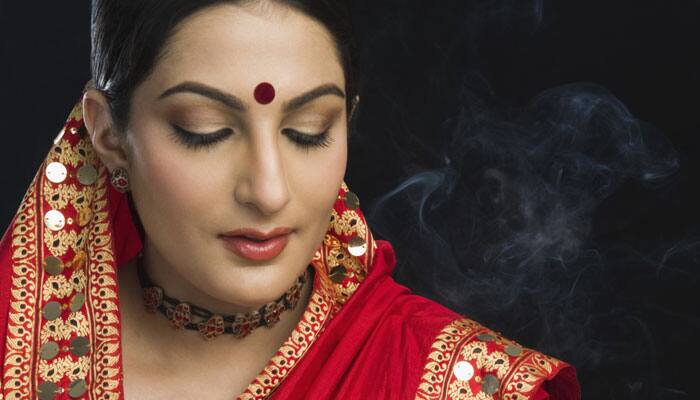
Benefits of applying Kumkum or Tilak on forehead And
The term “bindi” stems from the sanskrit word bindu, which means drop or particle.

Significance of tilak in hinduism. There are no strict common rules regarding the drawing of mark on the forehead in hindu religion. Tilaka may be worn daily or for rites of passage or special spiritual and religious occasions only, depending on regional customs. The fundamental duty of all humans when we meet others must look first their forehead to see the mark which represents who we really are namely atma, but not any other parts of the body.
Tilak has great importance in hinduism. Tilak is basically associated with the dhyan chakras. The significance of applying tilak on the forehead is explained in detail in the scriptures.
We must know the fact that a human body emits electromagnetic radiation. It can ease our minds, as well. These chakras are a source of tremendous power.
The forehead mark tilak can be made by using sandal paste, turmeric, holy ashes (vibhuti) or. The ceremony varies from one state to another and also distinct in case of diverse castes and creeds. As per the traditions of hindus, there are varied kinds of tilak, each having its distinctive importance.
In dharmic culture, the tilaka is a mark worn usually on the forehead at the most important chakra on the body called ajna chakra, sometimes other parts of the body such as neck, hand, chest and arms. Because of the many languages and dialects spoken throughout india, it is important to note that bindis are otherwise known by many other names, including kumkum, sindoor, teep, tikli and bottu. Tilak symbolizes different meanings for people of different gender, religion, region, etc., and the types and designs of tilak they wear.
It holds an importance in traditional hindu customs as regards to its auspiciousness. A tilak seeks the almighty’s blessings and acts as a guard against the negativity surrounding us. Our body has seven key chakras, energy centres.
Scriptures state that we should use the middle finger to apply tilak. The tilak is of great spiritual consequence to hindus. Significance of tilak or bindi in hinduism.
Tilak, a mark of hindu sanatan dharma, comes from the sanskrit word ‘til’ which means sesame seed. A devout hindu draws a mark on the forehead known as tika or tilak or tilakam or pottu. Maha upanishad, atharva upanishad, puranas and vedic scriptures depict the significance of tilak.
The wearing of a mark on the forehead is a unique feature associated with hinduism. It holds an importance in traditional hindu customs as regards to its auspiciousness. Applying of tilak is a kind of ritualistic worship of god.
The application of tilak is a sign of auspiciousness in hinduism, and it is a mark depicting the importance of a religious ritual. In hinduism, applying tilak on 12 organs including the neck, chest, upper limbs, naval, back, both underarms, etc. Even scientists have now believed that applying tilak is highly beneficial.
That is the significance of importance in the oldest religion of the world, namely sanatana dharma. A tilak is imprinted on a person’s forehead because it is the location through which one can channel divinity, thus enhancing the spiritual character of an individual. The marks are made by hand or with a metal stamp, using ash from a sacrificial fire, sandalwood paste, turmeric , cow dung, clay, charcoal, or red lead.
Those of we who would like to know the. Atithi (guest) are always welcomed by applying tilak between their eyebrows. In the world, only hindus apply tilaka.
The spot where the bindi is applied is where the body’s most important chakra rests — the ajna chakra. Hence, it is an identity for hindus and is a symbol of hinduism. This tilak, which tells the complete identity of any tradition from worship, not only has its own religious significance, but by adopting simple and effective measures related to it, you can convert your misfortune into good luck.
You would see some hindu deities with a tilaka marked on the forehead. Tilak ceremony in hindu weddings. Applied on the forehead between the brows, it is a point of immense power and piety.
In hindu rituals, applying tilak or tika on the forehead is considered very auspicious. Regarded as the sign of good luck and prosperity, tilak is applied on the forehead. So when a long tilak is put starting from ajna chakra (between eybrows) & moving upwards then it is to take the individual's thoug.
Tilak is considered to be sacred and auspicious in hindu culture. In the beautiful and prominent symbols in hindu culture, is the mark known as ‘tilak’ (om being the other prominent symbol), a mark applied on the forehead. It symbolizes the third eye, which is associated with spirituality.
The ceremony varies from one state to another. Tilak is considered to be sacred and auspicious in hindu culture. Tilak, sanskrit tilaka (“mark”), in hinduism, a mark, generally made on the forehead, indicating a person’s sectarian affiliation.
Is also significant besides applying on the forehead. The sesame seed has great importance in yagnas and charity. During prayer ceremonies, daily prayer rituals at home and important events like marriages, birthdays, baby showers etc tilak is applied.
The term also refers to the hindu ritual of marking. Hindus use the tilak ceremony, as a mark of honour and welcome to guests, something special or someone special. The space between eyebrows is associated with intuition.
Basically, the wearing of tika invokes a feeling of sacredness on the wearer. Tilak also aids in releasing oneself from the physical realm.