History behind dream catchers research reveals that dream catchers were initially created by american indians. Traditionally, dreamcatchers are hung over a cradle or bed as protection.

Dream Catcher Meaning History, Legend & Origins of Dream
The lakota tribe also has its own legend about the origins of the dreamcatcher , but most ethnographers believe the dreamcatchers were passed down from the ojibwe through.

History behind dream catchers. One day he appeared to an old spiritual leader in the form of a spider. The history, legend & origins of the dream catcher the dream catcher is most commonly associated with native american culture. Today the dreamcatcher is associated with native american culture in general, but dream catchers are often believed to have originated from the ojibwa chippewa tribe in particular.
Learn more about the story and the legend behind the origins of the dream catcher. Today the dream catcher is associated with native american culture in general, but dream catchers are often believed to have originated from the ojibwa chippewa tribe in particular. The ojibwe is the native american tribe where the dream catcher began, this item was called “asabikeshiinh” which means “spider”.through the ages, many other tribes have adopted the dream catcher into their cultures.
The native americans believe that the dream catcher protects people from bad dreams and nightmares. Making it into their own. In other words, a dream catcher would trap the bad dreams that blew freely in the night air and keep them from entering the mind of those it protected.
Dream catcher history & legend. Iktomi spoke to him in a sacred language about the cycles of life we go through. The dream catcher was originally made by the ojibwe people.
As the dream catchers were being adopted, the history and meaning behind them were changed. Authentic native american dream catchers. They usually consist of a small wooden hoop covered in a.
In her writings, densmore dispels a common misunderstanding of the ojibwe dream catcher by indicating that its purpose was to ensnare harmful influences in its web. Dream catchers were originally made for very small children and babies, so they could be hung just above their cribs. Originating from the ojibwe people , who lived primarily in the northern usa and canada, the dream catcher shares a story that bends the the seams between dreams and reality.
These sacred objects are made in a traditional way, based on colored threads, feathers, beads, willow or cedar branches and a ring. Dream catchers have started to become very popular. They represent a key element within a shaman tradition that originated thousands of years ago in north america.when it comes to describing exactly what a dream catcher is, the first thing to explain is that it is.
The charm was usually used for young children and hung above their cradles or beds. Story behind these mystical webs. Originally created by american indians, dreamcatchers today come in a variety of different sizes and styles.
Which is a word for spider women. The history, legend & origin · dream catchers of twigs sinew and feathers have been woven since ancient times by ojibwa people they were woven by the grandfathers and grandmothers for newborn children and hung above the cradleboard to give the infants peaceful beautiful dreams the night air is filled with. The history behind dream catchers it is believed that dream catchers originated with the ojibwe, or chippewa, peoples of north american.
The dreamcatcher is a protective talisman that is used to protect people from nightmares and bad dreams. There is a common belief that the air is full of dreams. Tribal communities existed primarily around the northern part of the united states and the southern regions of canada, in particular, around the great lakes.
They hang above the beds. Native american cultures believe that both good and bad dreams fill the air Celebrities who like the bohemian style have added to the popularity of putting dream catchers in homes.
A dream catcher filters out bad dreams and allows good dreams to pass. What is the meaning and history of the dreamcatcher? The original web dream catcher of the ojibwa was intended to teach natural wisdom and nature is considered an important teacher.
It may also be decorated with sacred items such as certain feathers or beads. Here’s a little history about dream catchers: Dream catchers of twigs, sinew, and feathers have been woven since ancient times by.
Dream catchers, although is usually associated with native americans, in general, they originally belonged to ojibwa chippewa tribe. Dream catchers are very old amulets that are part of the native american oral tradition. The dream catcher is meant to filter the bad ideas of society from the good, leading the people to achieve their dreams and visions.
Dream catchers have an interesting story and history behind them. The ojibwe word for dreamcatcher asabikeshiinh actually means “spider,” referring to the web woven to loosely cover the hoop. Dream catchers are one of the most fascinating traditions of native americans.
The story behind the dream catcher is about a great spirit, iktomi who is the great trickster and searcher of wisdom. The history behind the dream catcher most people relate the origin of dream catchers with the native american culture, and this is correct. The positive dreams would slip through the hole in the center of the dream catcher, and glide down the feathers to the sleeping.
The dream catcher originated with the asabikeshiinh. The idea was always to place them on cribs. The traditional dream catcher was intended to protect the sleeping individual from negative dreams, while letting positive dreams through.
As years passed on, other tribes, nations, and cultures adopted the dream catcher. In some native american and first nations cultures, a dreamcatcher is a handmade willow hoop, on which is woven a net or web.
The history, legend & origins of the dream catcher the dream catcher is most commonly associated with native american culture. Asibaikaashi, the spider woman protector of the nightmare
“I Have a Dream (Catcher)” Responses to Cultural
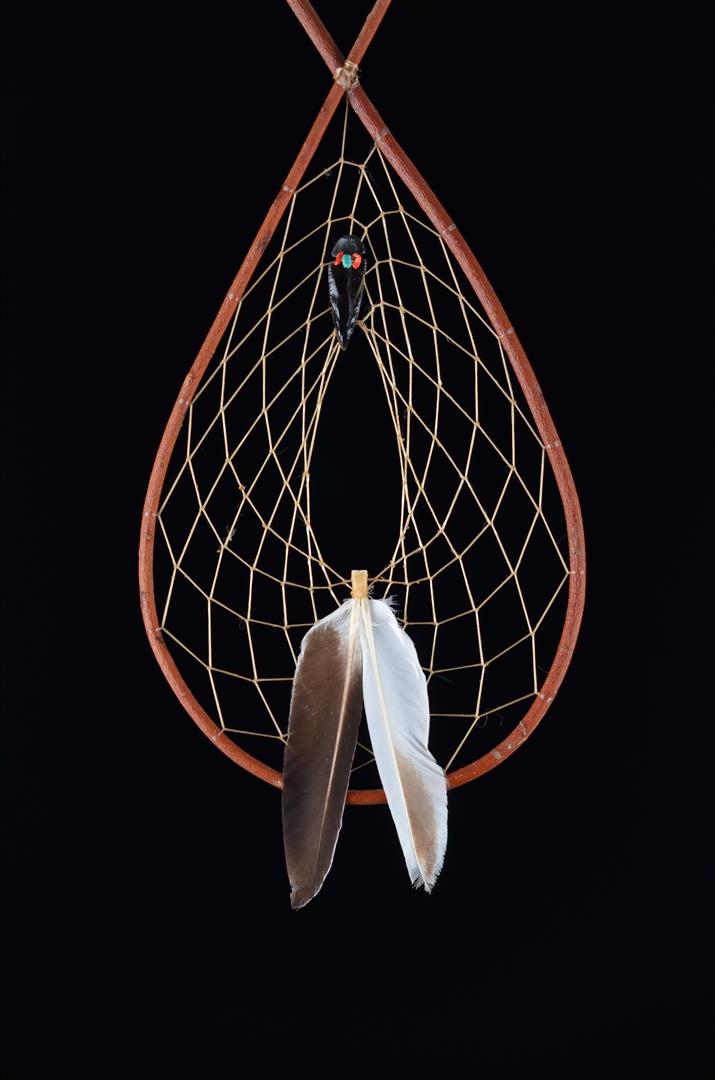
The ojibways would tie strands of sinew string around a frame of bent wood that was in a small round or tear drop shape.

History of dream catchers. The charm was usually used for young children and hung above their cradles or beds. From the dream catcher frame. The patterns of the dream catcher would be similar to how the ojibways tied the webbing for their snowshoes (the.
There was a belief that dreams catcher may increase the seasonal harvest if the native american people ruffled the feathers more than five times in a night. The feathers on this dream catcher are also stitched along the hoop covering almost half of the hoop and web. There are legends as to why and how dream catchers were made and who also started making them.
The first artwork, “turquoise dream catchers” done by cree women was one of the first dream catchers that exhibited this form. This adoption may have occurred through the process of mixed marriage and trafficking. Modern dream catchers have been made from many kinds of wood, with a web made from artificial sinew and adorned with beads and feathers.
There is a common belief that the air is full of dreams. In the ojibwe legends, the dream catchers served to catch any negative energies that were in the room and the dreams of those who slept there would be good ones. Bad dreams, however, are caught up in its protective net and destroyed, burned up in the light of day.story of the dreamcatcherancient legends about the history and origin of the dreamcatcher exist among several native american tribes,.
Dream catchers have been part of popular culture for long now. Later dream catchers were laced with red yarn or sinew and given to married couples as well as babies. Most of the history around dream catchers are clouded with mystery.
In other nations, the legends would say that the good dreams passed through the weaving uninhibited while the bad dreams were caught in the snares. A brief history of dream catchers and the stories about their beginnings. It is believed that they originally came from the ojibwa nation and were later adopted by many other tribes.
Dream catchers of twigs, sinew, and feathers have been woven since ancient times by. There is no evidence to show who actually made the first dream catcher and why. Dream catchers were originally made for very small children and babies, so they could be hung just above their cribs.
The adoption of dream catchers. Explore more craft ideas and find out how you make them with easy to follow tutorials. The original web dream catcher of the ojibwa was intended to teach natural wisdom and nature is considered an important teacher.
Dream catchers have an interesting story and history behind them. The history of dream catchers has nearly been lost in the turmoil of cultural mixing and destruction that followed on the heels of the european invasion. The native americans believe that the dream catcher protects people from bad dreams and nightmares.
Made in the usa and canada by native artists! A new pattern has also developed with scattered holes in a spiral pattern. The legend goes, that the ojibwe tribe which means spider first began making dream catchers as their chief.
$5 flat rate shipping every day! As said before, the dream catchers started spreading and other cultures adopted it, for example, the lakota tribe, they have another meaning for the dream catcher, a different legend and the purpose of this item variates a little, for this tribe the dream catcher is not only an item for protecting you from bad dreams but, to protect you from daily bad energies in your life,. Instead of the hoop being a circle it is more of a tear drop shape.
Facts about dream catchers 2: The history of dream catchers (or indian dreamcatchers) can be traced to the native american ojibway chippewa tribe. Dream catchers if traced back can be found in the ojibwe tribe.
A dream catcher filters out bad dreams and allows good dreams to pass. The ojibwe people started the trend and over time dream catchers were adopted by tribes, cultures, and even other countries. There is not a lot known about the history of dream catchers as the old traditions of the american indians have been lost over time.
Here’s a little history about dream catchers: It should come as no surprise that the persecution of the native americans had such a. They hang above the beds.
The meaning of dreamcatchers and the beliefs surrounding their construction originate from native american cultures. Originating from the ojibwe people , who lived primarily in the northern usa and canada, the dream catcher shares a story that bends the the seams between dreams and reality. Free shipping on orders over $60.
The dreamcatcher is a protective talisman that is used to protect people from nightmares and bad dreams. The origins of the dreamcatcher are quite unclear, mostly due to the loss of much native american history during european contact, colonization, and forced relocations. Originally, dream catchers were created and used by the native americans, but today they come in various shapes, sizes and colors, and serve several uses.