In hinduism, the lotus has long been associated with divinity and purity: The symbolism of lotus flower is mentioned in the 5th chapter of the bhagavad g
The Symbolic Meaning of The Lotus Flower in Buddhism

Lotus flower meaning in hinduism buddhism and hinduism both originated in india, so there are some similarities in the symbolism of the lotus between the two religions.

Lotus flower symbolism hinduism. It has been a religious symbol in hindu culture much before buddhism came into picture as a religion. Its characteristics are a perfect analogy for the human condition: Besides these, it is also associated with many hindu deities.
The hindu tradition believes that lord brahma was born from a lotus flower sprouted from the navel of lord vishnu. Lotus flower is a symbol of eternity, plenty and good fortune and goddess lakshmi, the hindu goddess of wealth, is usually depicted with a lotus flower. Another ancient religion for which the lotus flower is of significant importance is hinduism.
In hinduism, the lotus flower is associated with beauty, prosperity, and fertility. Important gods and goddesses are shown seated on top of lotus flowers or standing with lotuses with their hands. The symbolism of lotus flower is mentioned in the 5th chapter of the bhagavad gita by lord krishna:
The highest chakra, sahasrara or crown chakra, is described as a lotus flower with a thousand petals. Brahma and lakshmi, the deities of potence and wealth, are often seen with the lotus symbol. Lotus is a sacred symbol in hinduism associated with beauty, fertility, prosperity, knowledge, spirituality and eternity.
Associated with eastern traditions like buddhism and hinduism, lotus flowers symbolize peace, purity, and enlightenment. They are exotic, majestic, and dramatic and have a deep history beyond its beauty. In latin, the lotus is called nelumbo nucifera.
Have you seen a lotus leaf with water droplets on it? The meaning and symbolism of the lotus is rich and stems from three major groups: The black lotus flower symbolizes darkness, death, sophistication, power, authority, and rebellion.
The ancient egyptians, the buddhists, and hinduism.the lotus is a plant that belongs to the nelumbo. Believers of the faith consider the lotus flower a symbol of divinity, fertility, life, beauty and prosperity. Lotus flower meaning in hinduism.
Water lotuses are a beautiful fragrant flower with exotic foliage that steals the spotlight of any pond. According to the puranas, it is said that a lotus emerged. It is also known as kamal in hindi and marathi.
The lotus also has an exciting part to play in the. Lotus is an extremely sacred symbol in hinduism. Do not get attached to illusions around you.
It helps get rid of unpleasant things and is referred to as the king of flowers. The practice of yoga is closely tied to hinduism and one of the basic poses in the practice is the lotus. The lotus flower is a symbol of purity, rebirth, culture, and enlightenment in hinduism.
It is not only considered pure and beautiful, but also a symbol of goodwill, peace, prosperity and happiness. The lotus flower is the foremost symbol of beauty, prosperity and fertility. Definitely one of my favourite flowers, there is something so majestic about the beauty and symbolism of the lotus.
Even when its roots are in the dirtiest waters, the lotus produces the most beautiful flower. In hindu spiritual contemplation the lotus has a special place. You shake the leaf, and all droplets fall down without leaving a trace of wetness.
It represents the following values: In recent years, lotus flower tattoos have become especially trendy as a way for people to express their spirituality and personal growth. According to hinduism, within each human is the spirit of the sacred lotus.
Pink lotus flower, a symbol of resurrection by jyc photo The symbolic lotus flower, in shades of white, pink and purple. In general, lotus flowers represent spiritual enlightenment, growth, purity, and birth, among many others.
An iconic symbol in hinduism, used as the throne of many deities. An aquatic plant, beauty growing from the depth of muddy waters. The most common form of this flower in this faith is the white lotus, which has strong connections with lakshmi, brahma, and vishnu.
In hinduism, the black lotus represents the absence of color and light. Lotus flower is a symbol of eternity, plenty and good fortune and goddess lakshmi, the hindu goddess of wealth, is usually depicted with a lotus flower. To the ancient romans, white and black lotus flowers symbolized past, present, and future life, death, and rebirth.
In hinduism, the lotus is a symbol for the centers of consciousness ( chakras) in the body and is also associated with several deities. The meaning the lotus flower in buddhism Importance of lotus in hinduism.
Each of the seven chakras or sacred centers of energy of the human body are often depicted as lotus flowers. Be there, but do not get. Live life like a lotus leaf.
In hindu scriptures, the god brahma is said to have been born from a lotus that emerged from lord vishnu’s navel. The pink lotus and natural use The flower symbolizes one’s ability to perform their duty without being influenced by any desire, pleasure, or gain.
In latin, the lotus is called nelumbo nucifera. The lotus flower is a famous symbol in hinduism.
The application of a tilak on the forehead improves our thinking abilities and concentration. We apply tilak while thinking it as a part of our culture but do we have any idea about its significance?
Benefits of applying Kumkum or Tilak on forehead And
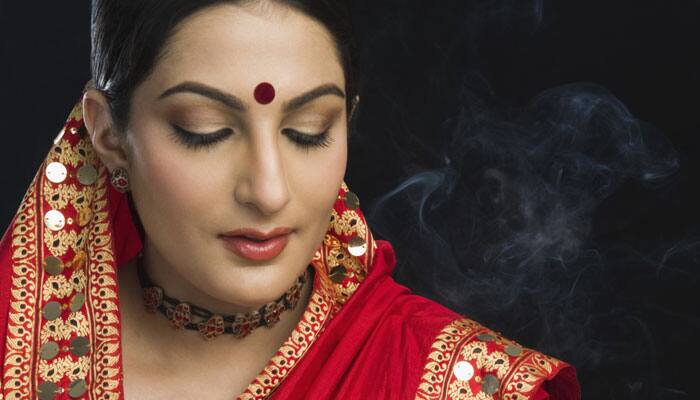
The term “bindi” stems from the sanskrit word bindu, which means drop or particle.

Significance of tilak in hinduism. There are no strict common rules regarding the drawing of mark on the forehead in hindu religion. Tilaka may be worn daily or for rites of passage or special spiritual and religious occasions only, depending on regional customs. The fundamental duty of all humans when we meet others must look first their forehead to see the mark which represents who we really are namely atma, but not any other parts of the body.
Tilak has great importance in hinduism. Tilak is basically associated with the dhyan chakras. The significance of applying tilak on the forehead is explained in detail in the scriptures.
We must know the fact that a human body emits electromagnetic radiation. It can ease our minds, as well. These chakras are a source of tremendous power.
The forehead mark tilak can be made by using sandal paste, turmeric, holy ashes (vibhuti) or. The ceremony varies from one state to another and also distinct in case of diverse castes and creeds. As per the traditions of hindus, there are varied kinds of tilak, each having its distinctive importance.
In dharmic culture, the tilaka is a mark worn usually on the forehead at the most important chakra on the body called ajna chakra, sometimes other parts of the body such as neck, hand, chest and arms. Because of the many languages and dialects spoken throughout india, it is important to note that bindis are otherwise known by many other names, including kumkum, sindoor, teep, tikli and bottu. Tilak symbolizes different meanings for people of different gender, religion, region, etc., and the types and designs of tilak they wear.
It holds an importance in traditional hindu customs as regards to its auspiciousness. A tilak seeks the almighty’s blessings and acts as a guard against the negativity surrounding us. Our body has seven key chakras, energy centres.
Scriptures state that we should use the middle finger to apply tilak. The tilak is of great spiritual consequence to hindus. Significance of tilak or bindi in hinduism.
Tilak, a mark of hindu sanatan dharma, comes from the sanskrit word ‘til’ which means sesame seed. A devout hindu draws a mark on the forehead known as tika or tilak or tilakam or pottu. Maha upanishad, atharva upanishad, puranas and vedic scriptures depict the significance of tilak.
The wearing of a mark on the forehead is a unique feature associated with hinduism. It holds an importance in traditional hindu customs as regards to its auspiciousness. Applying of tilak is a kind of ritualistic worship of god.
The application of tilak is a sign of auspiciousness in hinduism, and it is a mark depicting the importance of a religious ritual. In hinduism, applying tilak on 12 organs including the neck, chest, upper limbs, naval, back, both underarms, etc. Even scientists have now believed that applying tilak is highly beneficial.
That is the significance of importance in the oldest religion of the world, namely sanatana dharma. A tilak is imprinted on a person’s forehead because it is the location through which one can channel divinity, thus enhancing the spiritual character of an individual. The marks are made by hand or with a metal stamp, using ash from a sacrificial fire, sandalwood paste, turmeric , cow dung, clay, charcoal, or red lead.
Those of we who would like to know the. Atithi (guest) are always welcomed by applying tilak between their eyebrows. In the world, only hindus apply tilaka.
The spot where the bindi is applied is where the body’s most important chakra rests — the ajna chakra. Hence, it is an identity for hindus and is a symbol of hinduism. This tilak, which tells the complete identity of any tradition from worship, not only has its own religious significance, but by adopting simple and effective measures related to it, you can convert your misfortune into good luck.
You would see some hindu deities with a tilaka marked on the forehead. Tilak ceremony in hindu weddings. Applied on the forehead between the brows, it is a point of immense power and piety.
In hindu rituals, applying tilak or tika on the forehead is considered very auspicious. Regarded as the sign of good luck and prosperity, tilak is applied on the forehead. So when a long tilak is put starting from ajna chakra (between eybrows) & moving upwards then it is to take the individual's thoug.
Tilak is considered to be sacred and auspicious in hindu culture. In the beautiful and prominent symbols in hindu culture, is the mark known as ‘tilak’ (om being the other prominent symbol), a mark applied on the forehead. It symbolizes the third eye, which is associated with spirituality.
The ceremony varies from one state to another. Tilak is considered to be sacred and auspicious in hindu culture. Tilak, sanskrit tilaka (“mark”), in hinduism, a mark, generally made on the forehead, indicating a person’s sectarian affiliation.
Is also significant besides applying on the forehead. The sesame seed has great importance in yagnas and charity. During prayer ceremonies, daily prayer rituals at home and important events like marriages, birthdays, baby showers etc tilak is applied.
The term also refers to the hindu ritual of marking. Hindus use the tilak ceremony, as a mark of honour and welcome to guests, something special or someone special. The space between eyebrows is associated with intuition.
Basically, the wearing of tika invokes a feeling of sacredness on the wearer. Tilak also aids in releasing oneself from the physical realm.