Adinkra symbols the akan people of ghana, the creators of these pictograms and ideograms, traditionally used them on cloth, metal and wood. Ananse ntontan “spider’s web” wisdom, creativity.
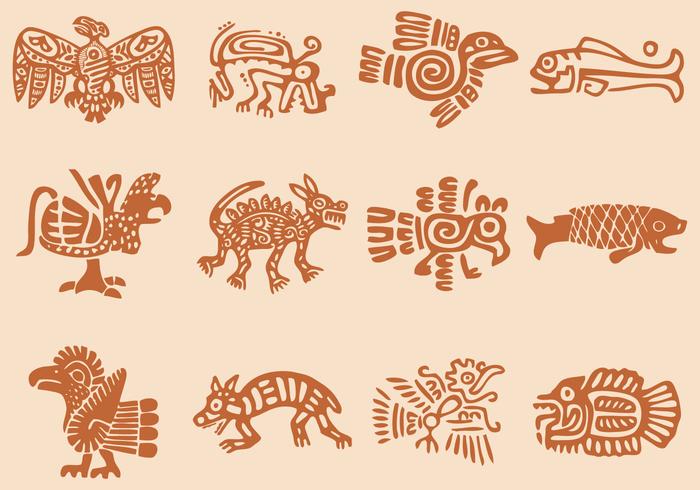
Pre Hispanic Icons Download Free Vector Art, Stock
He wore patterned cloth, checkered with the.
History of adinkra symbols. Fabric adinkra are often made by woodcut sign writing as well as screen printing. (re) reading the adinkra cloth symbols of the akan of ghana by g. The historical roots of adinkra symbols date back to the times of the akan people of ghana, west africa.
Adinkra are used on fabric, walls, in pottery, woodcarvings and logos. In the akan culture, the asante peoples of ghana use adinkra serve as a shorthand for communicating deep truths in visual form. An asante (ashanti) legend tells us that adinkra was king of the gyaman kingdom.
Adinkrahene “chief of adinkra symbols” greatness, charisma, leadership. 63 rows adinkra are visual symbols with historical and philosophical significance originally. King adinkra was defeated and captured in a.
They are visual representations of proverbs with significant historical and philosophical meaning adinkra cloth was originally worn by royalty. Adinkra symbols are certainly not new, even though you may not have heard of them yet. Adinkra are visual symbols, originally created by the akan of ghana and the gyaman of cote d'ivoire in west afrika that represent concepts or original thoughts.
It is very important to note that during the 16th century people had the belief in god as the supreme being. Adinkra symbols with meanings adinkra literally translates as farewell or goodbye in a large loose linguistic grouping of the fante,. This symbol means ‘except for god’.
The adinkra symbols originate from the gyaman people of ghana and côte d’ivoire. Educational, historical and moral values inherent in them. They are widely used across africa and in the diaspora.
Adinkra symbols at african burial ground. The adinkra symbols are a unique representation cultural expressions, concepts, values and traditional mythology of the akan of ghana and gyaman of ivory coast. History or origin of adinkra symbol the name “adinkra” can be traced back to the word “dinkra” of the akan/twi language, of the akan people of ghana.
Origins adinkra symbols are believed to have their origin from gyaman , a iruphunlqjgrpr iz kdwlvwrgd\& rwh' ·,yrluh ,yru\& rdvw the name adinkra, according to an asante/ashanti legend from ghana, come from the king of gyaman ³ nan kofi adinkra adinkra was defeated in battle by the asante people for having It seeks to encourage the understanding and usage of the adinkra symbols in a more meaningful way by ghanaians and foreigners, contemporary artists, designers, craftsmen, teachers, and all who appreciate the traditional symbols. According to an ashanti ( asante) legend, adinkra was the name of a king of the gyaman kingdom, nana kofi adinkra.
Each symbol is rich with meaning that tells stories and teaches life lessons. Akoko nan “the leg of a hen” mercy, nurturing. Akoma “the heart” patience & tolerance.
And now we have finally arrived to the history class of the infamous adinkra symbols (refurbished). The adinkra symbols are believed to originate in gyaman, a former kingdom in modern day côte d’ivoire. The symbols belonged to the asante (or ashanti) peoples, who would print them on cloth, as well as pottery and metalwork.
“these art forms carry proverbs, anecdotes, stories, and historical events through visual form,” cloth as metaphor: Adinkra symbols were originally created by the bono people of gyaman.gyaman king, nana kwadwo agyemang adinkra, originally created or designed these symbols, naming it after himself.the adinkra symbols were largely used on pottery, stools etc. I will be sharing some things you know, some things you.
The history, principles, and symbols of kwanzaa. As one walks along the african burial ground national monument, seven mounds made from grass encompass the side of the memorial where a granite prism structure stands, firm. Adinkra symbols are therefore effective communication tools in ghana because they communicate visually to us.
Kwanzaa is observed from december 26th to january 1st, and culminates in gift giving and a big feast. It discusses 14 adinkra symbols grouped into two of seven each. Image twi name literal translation symbolic meaning.
By the people of bono.adinkra cloth was worn by the king of gyaaman, and its usage spread from bono. The asante people resisted british colonial rule when it arrived in west africa. The most well known adikra symbol in ghana is the “gye nyame symbol”.
The adinkra symbols represent popular proverbs and maxims, record historical events, express particular attitudes or behavior related to depicted figures, or concepts uniquely related to. To be separated, taking leave or farewell. History, philosophy and various religious beliefs were the core factors in the development of these symbols.