Sekhmet was depicted with the body of a woman with a lion head wearing a sun disk. Imhotep, who, way back in the third dynasty during the old kingdom, was the architect of the step pyramid of zoser.

Winged Sun Gnosis and Gnosticism
She was seen as the protector of the pharaohs and led them in warfare.
/Asclepius-56aaad355f9b58b7d008d891.jpg)
God of healing ancient egypt. Paul ghalioungui suggested in 1963 that the egyptians “were the first in history to dare look at the other side of the abyss that separates magic from science”. That is where the name “the backbone of osiris” comes from. Medical philosophy in ancient egypt in ancient egypt, to be able to heal a person meant to possess the wisdom of the universe, astronomy, energy, sound, or number.
Isis, the goddess of healing and magic. Heka is the ancient egyptian god of health and medicine. These temples in ancient egypt were associated with many famous physicians.
The egyptian falcon god horus is among the most famous gods worshipped in ancient egypt. Although imhotep was the royal architect, he was also the royal physician. Clement of alexandria (3 rd century bc), a christian theologian, discovered that learning how to heal was the final stage of the priesthood process, which included a combined understanding of physical.
Nefertum, the god of healing, beauty & perfumes in ancient egypt. According to egyptian literature (coffin text, spell 261), heka existed before duality had yet come into being. Heka (/ ˈ h ɛ k ə /;
Thoth was of central significance to egyptian medicine, because of his role as the god of writing, wisdom and balance. The egyptian culture extends back to 4000 bc and they have a long tradition of vowel sound chant. Sekhem is a form of ancient egyptian healing.
The name is the egyptian word for magic. Horus’s name itself means the falcon who soars above all the other inhabitants of the land and he was also a frequent symbol. She is known today by her greek name isis;
When she was in a calmer state she would take the form of the household cat goddess bastet. Also transliterated hekau) was the deification of magic and medicine in ancient egypt. However, inscriptional evidence confirms that these healing procedures were already used in egypt at least a 1000 years earlier.
He was considered from an early age as the son of the god ptah and sekhmet in the memphis trinity. Explore deities in ancient egypt: Egyptair has even used the winged symbol of horus on their logo because of the ancient importance of the winged god of the sky.
Although it was firstly known as the symbol of ptah, the cult of osiris adopted the djed pillar symbol in time. A greek traveler, demetrius, circa 200 b.c., wrote that the egyptians used vowel sounds in their rituals: Because a person expected to be healed, his or her own immune system was reinforced, which rebalanced the internal disorder.
The god heka was incorporated by practitioners into medicine — for the egyptians, healing was seen as the province of the gods. De agostini picture library / getty images. Heka was an ancient egyptian deity associated with health and wellness.
Her name also appears on ivory knives which were supposed to protect pregnant and nursing women. Sound healing in ancient egypt. Godchecker guide to heka (also known as hike), the egyptian god of healing from egyptian mythology.
Sekhmet was a terrifying goddess, however for her friends she could avert plague and cure disease. Ptah, the god of creation and osiris, the god of the underworld and the dead. ‘in egypt, when priests sing hymns to the gods they sing the seven vowels in due succession and the sound has such euphony that men listen to it.
Geb is one of the most important and oldest of the egyptian gods in ancient egypt history. Revered for their magical healing powers, sekhmet,toth, and isis were the goddesses and gods of medicine in ancient egypt. Geb was known as the god of earth (soil).
He later became a god and was named. Great mother isis, the goddess of healing and magic, was crucial to ancient egyptian religious beliefs. In egyptian mythology , sekhmet (/ˈsɛkˌmɛt/ or sachmis (/ˈsækmɪs/), also spelled sakhmet, sekhet, or sakhet, among other spellings, is a warrior goddess as well as goddess of healing.
Who was the god of healing in ancient egypt? Symbol that represents strength and stability in ancient egyptian culture. Sekhem has developed over the centuries and was taught as part of the spiritual practices in the temples of ancient egypt.
God of medicine, magic and medicinal magic He is also being referred to as seb, keb, kebb or gebb in various literature and the idea of geb as a healing god is also found in texts dealing with scorpion stings and how to heal them. Archaeological researcher ahmed amer said that nefertum was an ancient deity from the gods of lower egypt.
Egypt was then the cultural centre of the world where everyone sought wisdom and learning, and scholars came far and wide to study in the temples.
Winged scarab winged beetle ancient egypt. What did the scarab beetle mean to ancient egyptians?
Dung Beetles, Scarabs, and the Milky Way Galaxy Crystalinks
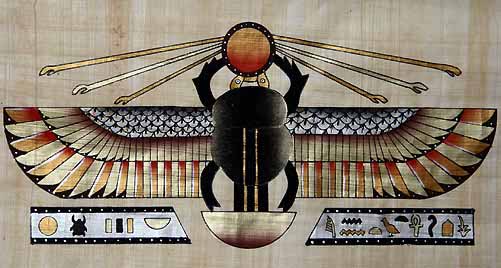
It is around one and a half meters long and is one of the largest known representations of a scarab beetle.
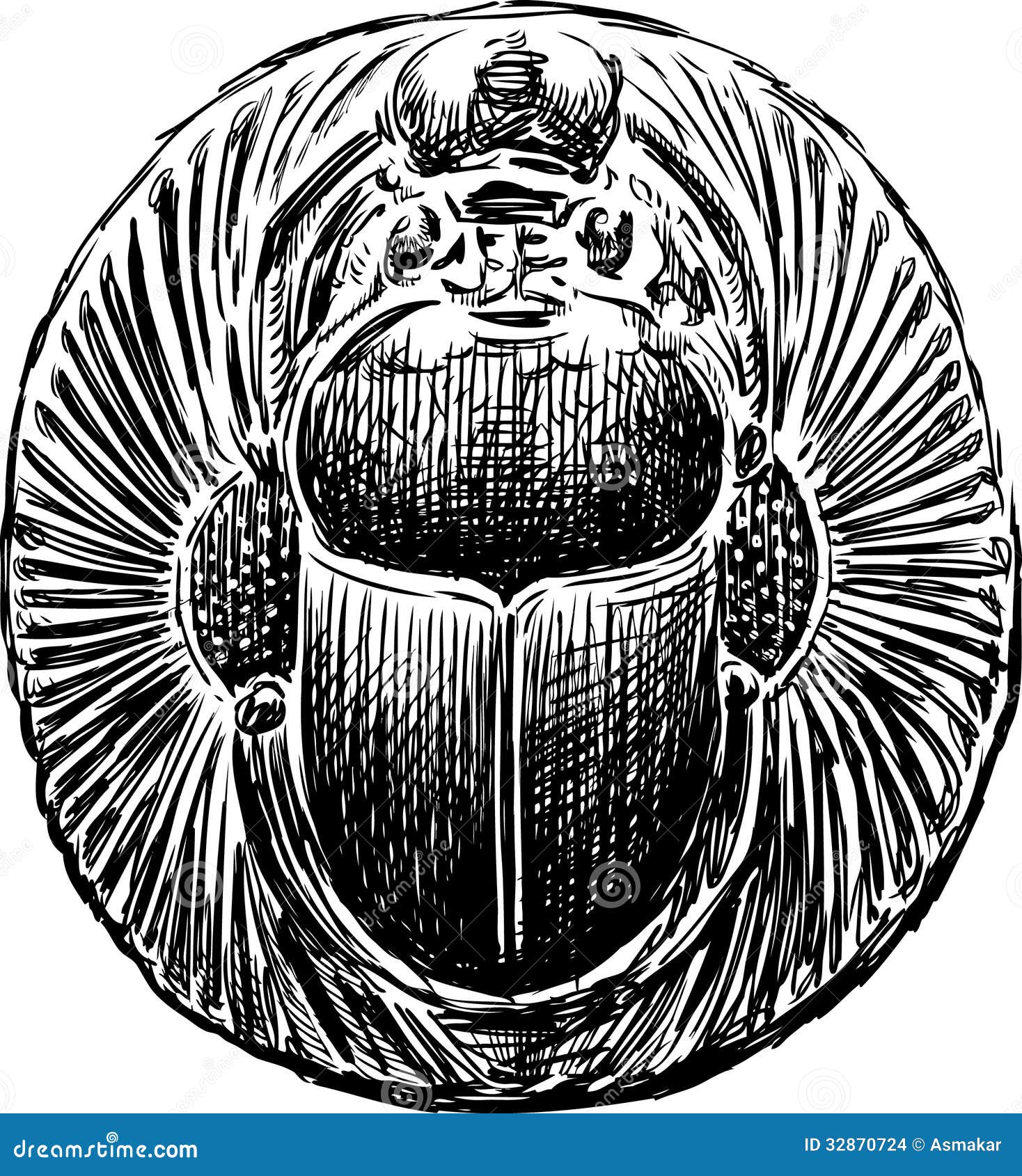
Winged scarab beetle ancient egypt. Its popularity even reached beyond the borders of egypt, to the east, where it was found imported. The beetle would lay its egg within the dung which became a symbol of rebirth and regeneration. As the sun rolls across the sky between day to night, the egyptians saw this as the scarab beetle rolling its ball of dung across the desert.
They were most often made from green, blue or black material such as faience or stones, because these were the colors associated with the birth of nature and the black silt that brought fertility to. What does scarab mean in ancient egypt? The egyptians saw the egyptian scarab (scarabaeus sacer) as a symbol of renewal and rebirth.
It is sometimes rounded and sometimes flat. The winged beetle supporting the sun is a famous motif in the art of ancient egypt, representing the sun god khepera (or khepri) who is responsible for the rebirth of the sun at dawn. The scarab was the most important amulet in ancient egypt.
Through modern cinema and film, western society has come to perceive the egyptian scarab as a destructive and evil entity, but the ancient egyptian understanding of the beetle was very different. The scarab originated in ancient egypt. As i have already mentioned, it was a true belief that the protection of this amulet continued after death, when the deceased would meet osiris.
The scarab beetle was the symbol of new life, of beginnings and of becoming. The scarab beetle and mummification facts in ancient egypt during the mummification process, the heart of the deceased was often compared to a granite engraving in which several scarabs were carved. Learn more about this item.
Scarab beetle in ancient egypt. Regarded as sacred, it was a very important symbol in ancient egypt. Scarab beetles were considered sacred in ancient egypt, and these insects were linked with the religion and mythology of the land.
In fact, scarab beetle amulets have been used in egypt, through the centuries. The scarab’s life revolves around these dung balls. The colors were rich and beautiful.
Winged scarab, winged beetle, ancient egypt, ancient egyptian symbol, ancient egyptian emblem, pharaoh, sacred, free vector graphics, free illustrations, free images, royalty free. A golden scarab of nefertiti was discovered in the uluburun wreck. Scarabaeus sacer or scarab, also known as kheper beetle, is a large dung beetle native to the eastern mediterranean area.
The scarab was associated with the god khepri who was the god or rebirth, creation, and the sun. In ancient egyptian religion the scarab was also a symbol of immortality, resurrection, transformation and. It may have been taken from egypt to.
An inscription was often added with the name of the owner and perhaps a motto or a message, like, “good luck in your new job”. The particular species of beetle represented in the numerous ancient egyptian amulets and works of art was commonly the large sacred scarab (scarabaeus sacer).this beetle was famous for his habit of rolling balls of dung along the ground and depositing them in its burrows. Scarabs were known as far back as the old kingdom.
In real life, the scarab beetle lays its eggs in a ball of dung and rolls the ball ahead of it. Indeed, khepri is the form that the creator god ra took to create the sun in egyptian mythology. Winged scarab double strand necklace:
The name of this beetle god means the sun in the making. A scarab is shaped like a dung beetle. It may once have stood in an egyptian temple but it was found in constantinople (modern istanbul) in turkey.
Going back as early as 2345 b.c the scarab beetle or scarabaeus sacer is by far the most important amulet of ancient egypt. They are also depicted in other ornaments and works of art. There is a head, wing case, and legs.
They believed that the sun was pushed across the sky every day by a giant scarab, the god khepri. The scarab beetle lays its eggs in dung balls formed through rolling. The ancient egyptians believed that khepri rolling it above the horizon was the new birth of the star sirius.
The scarab beetle symbolised the sun because the ancient egyptians saw a likeness between the scarab beetle rolling the dung and the sun god rolling the sun, making it shine on earth. The beetle was associated closely with the sun god because scarabs roll large balls of. Khepri is one of the first gods of ancient egypt (appeared in 5000 bc).
Ancient egyptian winged scarab beetle. In ancient egypt, scarab jewelry, good luck charms, and amulets were often given as gifts. The theme of death and rebirth being so central in ancient egypt, the scarab beetle was one of the most popular amulets in for hundreds of years, worn by both the living and the dead.
Scarabs came in many designs including winged scarabs. This a species of dung beetle was thought to rebirth itself in a pile of dung each day to push the sun across the sky. Blue symbolized the nile river.
The egyptian scarab beetle was a symbol of death and rebirth. This kind of beetle was highly symbolic to ancient egyptians, it represented rebirth and renewal. The tomb of the 18th dynasty ancient egyptian pharaoh tutankhamun was discovered in 1922 by.
The egyptian hieroglyphic script uses the image of the beetle to represent a triliteral phonetic that egyptologists transliterate as xpr or ḫpr and translate as to come into being, to become or to transform. Scarab bracelet from tutankhamun's tomb, 14th century bc.
Some scholars believe the eye of ra was originally horus' right eye, a representation of the sun. Horus’ right eye was called the “eye of ra”, and his left eye was known as the “eye of horus”.
Has Egypt's Second Great Sphinx Been Found?
At the end of many battles, set is defeated and horus takes again.

The eye of egypt. [ read more about the eye of ra ] Wanting to avenge osiris, horus goes to war against his uncle. The eye of horus became the most popular ancient egyptian eye symbol associated with good health, protection, and royal power.
That is why the eye of ra represents the sun. In this article you will discover: Its decisive role in the battle between horus and set as well as its presumed protective virtues make it a flagship emblem of ancient egypt.
During the heat of the iraq war a filmmaker explores egypt as the true historical heart of middle eastern issues and what is bubbling underneath before the arab spring. Two lines extend from the bottom of the eye, possibly to mimic the facial markings on a falcon local to egypt, as horus's symbol was a falcon. The eye of horus (or udjat eye) is an inescapable symbol of egyptian mythology.
The eye of horus is one of several ancient egyptian symbols instantly recognizable as originating from that advanced civilization which has left the world so many wonders of architecture and learning. When ancient gods get symbols attached to their name, it is because the ancient worshippers see their god in certain ways. Over time, the egyptians came to associate it with ra, the sun god, and called it the eye of ra.
Meaning of the re/ra eye. Horus was the god of the sky in ancient egyptian mythology. In egyptian mythology, the god set takes the power in egypt after murdering his brother osiris, the father of horus.
Exactly where he fit into the different egyptian rulers is unknown and he may have been one of the original rulers of egypt. This eye is also called the eye of re and the eye of horus (the elder), associated with the right hand side, the summer and the sun. In ancient egypt, the eye of horus was just as popular and used as frequently as the eye of ra.
The eye is a cosmogonic goddess, symbol of reunification and divine kingship : The eye of horus, simply the eye, is a symbol and protective amulet originating from the ancient egyptian and associated with the goddess wadjet, daughter of ra. Ra, also known as ra, is the sun god of egyptian mythology.
According to ancient egyptian mythology, his right and left eyes represented the sun and moon, respectively. The eye goddess acts as mother, sister, consort, and daughter of the sun god. In fact, three different names are applied to this symbol:
That said, according to other myths, the symbol of the eye of ra would have represented the personification of many goddesses of egyptian mythology such as wadjet, hathor, mut, sekhmet and bastet. The hieroglyphic is named for the god, horus, one of their most powerful and dominant deitie. The eye of ra was a valued symbol in the ancient egyptian culture.
When you multiply 127 x 607, the result is 77,089 ft. Both the eye of ra and the eye of horus have similar functions and symbolize similar things, but with some interesting. This eye of horus, also frequently called eye udjat, represents the eye of the falcon god horus.
In this article, you will discover: This eye was one of the most important emblems of ancient egypt. The ancient egyptian eye is a very important protection symbol that has many myths and legends.
The myth of the eye of horus in ancient egypt It represented for the ancient egyptians one of the key elements in the creation of the world and of the order's maintenance in the kingdom of egypt. Unlike other egyptian gods, ra started out as a real pharaoh.
The purpose of the eye of ra. He was the son of osiris (king of egypt) and isis. The eye is an extension of ra’s power, equated with the disc of the sun, but also behaves as an independent entity, which can be personified by a wide variety of egyptian goddesses, including hathor, sekhmet, bastet, uadyet, and mut.
The eye of horus, the eye of ra, and the wadjet. The eye of horus, also known as the eye of ra, was known in ancient egypt as a slogan to protect against envy, disease, harmful animals and evil spirits and also good health, and royal power, it’s the most famous of ancient egyptian symbols n the “eye of horus” also represents sacrificial and curative qualities, the ancient egyptians mastered the industry, as it.