Bindis are traditionally a simple mark made with the paste of coloured sandalwood, sindoor or turmeric. For women, it is also a beauty mark./p plonger answer:
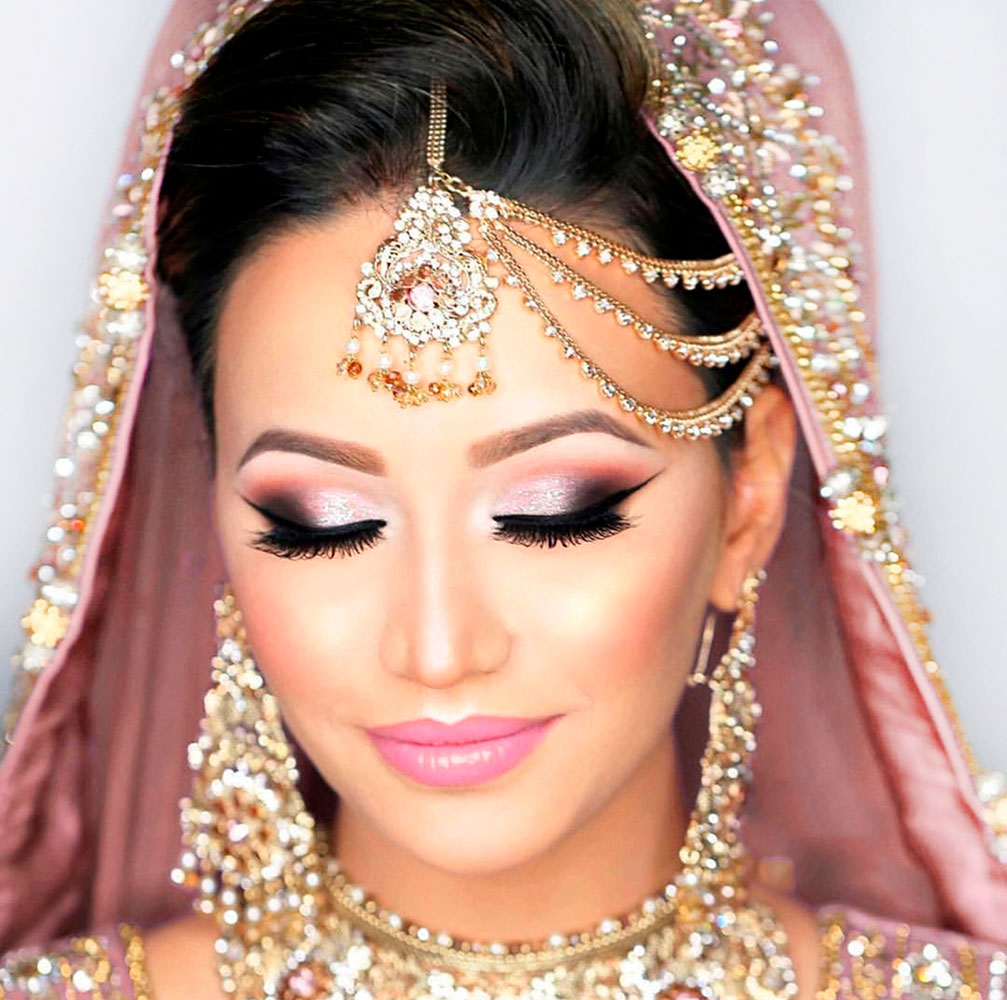
EAST INDIAN WEDDING MAKEUP & HAIRSTYLE SERVICES Art of
The bindi is traditionally worn by women for religious purposes or to.

East indian forehead dot. While the normal tikka is but a small dot on the forehead, certain sects of hindus cover their entire forehead with the tikka. The dot worn on the forehead is a religious symbol. Across the country, it’s not uncommon to see women sporting a small dot on their foreheads between their eyebrows.
The name is derived from “bindu”, a sanskrit word for “point” or “dot” and is usually red in color made with vermillion powder which is worn by women between their eyebrows on the forehead. Many people of india, especially those who follow the hindu religion, wear colored markings on their foreheads and other parts of their bodies. A chakra is a major nexus of spiritual, psychic and bodily forces in the human body.
If u think its that bad just push his dot. The tilak and pottu cools the forehead, protects us and prevents energy loss. This chakra is called the agna, and symbolizes command and wisdom.
And it’s a hindu tradition that dates to the third and fourth centuries. In nearly all cases, the bindi is worn centered on the lower forehead directly between or just above the eyebrows 좉ââ‰û this, more than anything else,. What is the red dot on indian woman’s forehead?
The word ‘bindi’ is derived from the sanskrit word 'bindu' and is associated with a person’s mystical. You know that dot on the east indian woman's forehead? Hindus believe that the bindi or kumkum dot retains the energy of the body.
It represents divine sight and shows that one is a hindu. And besides vermilion, the tikka can be made of sandalwood paste, ash or even clay. These markings usually take the.
The “bindi” and applying material in the hairline, usually in the middle of the head, and known as “sindoor”. Let us know about them one by one. A dotis wore by most pakis.
That is why worry generates heat and causes a headache. Refers to the bindi (dot) on their foreheads. Indians are the smart ones that put the dot in .com elephant jockey:
The term also refers to the hindu ritual of marking. The bindi is most commonly a red dot made with vermilion. Dno must be that new boy sinanjim:
The origin of the bindi can be found in ancient times but has lost this significance in. It's really a dowry lottto. It is an old hindu tradition and is known as a bindi, which means “a drop, small particle, and dot.”.
Three members of the creek family were listed. The term “bindi” stems from the sanskrit word bindu, which means drop or particle. It symbolizes female energy and is believed to protect women and their husbands.
A self destruct buttonfor pakis. The dot's significance relates to the marital status of an indian female. The red dot on the forehead in the indian culture is called a bindi, and represents the third eye or the all seeing eye. it is sort of like a.
A bindi is an auspicious mark worn by young girls and women in india. It is a red dot located on the forehead. Very popular till a couple of decades back it is slowly and steadily losing significance.
For instance, the devotees of lord shiva use ash and draw their tikka as three horizontal lines across their forehead. By bindi i’m referring to that red dot seen most commonly decorating the foreheads of indian women, or to be more precise by hindu women. Traditionally, the bindi is worn on the forehead of married hindu women.
It is believed that after marriage, the primary duty of the woman is to take care of her kin and kith. The traditional wearing of the dot varies among the indian people. The red dot is named bindi (from sanskrit bindu, meaning “a drop, small particle, dot”) and is a forehead decoration worn in south asia (particularly india) and southeast asia.
In general, forehead markings identify a person's third eye, or what hindus believe is the center of a person's nervous system, the area in which a person can see spiritual truths. The tilaka symbolizes the third eye, or mind’s eye, associated with many hindu deities, and the idea of meditation and spiritual enlightenment. The red dot, in one hand, symbolizes the good fortune of a.
Traditionally it is a dot of red color applied in the center of the forehead close to the eyebrows, but it can also consist of a sign or piece of jewelry worn at this location. Because of the many dialects spoken throughout india, bindis are otherwise known by many other names including bottu, kumkum, pottu, sindoor, teep, tikli, tika, tilak, tilaka, and tilakam. Tilaka may be worn daily or for rites of passage or special spiritual and religious occasions only, depending on regional customs.
The red dots signify their martial status — married women put a red dot, while unmarried girls put a small black dot on their forehead. Mystery of the indian forehead dot. In dharmic culture, the tilaka is a mark worn usually on the forehead at the most important chakra on the body called ajna chakra, sometimes other parts of the body such as neck, hand, chest and arms.
A bindi is a colored dot indian men and women place on their forehead. The red dot or “tilak” of varying sizes represents the third eye. The practice of putting a red dot on the forehead is primarily related to hindu mythology.
The mark is known as a bindi. The bindi is a traditional nonpermanent mark worn by some women of hindu or jain faith. God cant take it anymore gona throw up hate fucking dotheadsali:
The dot worn between the eyes or in the middle of the forehead is a sign that one is a hindu. There are seven chakras, with the forehead being the sixth. This symbol is commonly associated with southeast asian cultures, particularly those in the nation of india.
The protuberance at the top of the buddha’s head is known as the ushnisha, literally “turban.” this is one of the traditional thirty. Where should a buddha statue be placed?

Shiva seated on Nandi Phillips Antiques
The origin of the bindi can be found in ancient times but has lost this significance in.
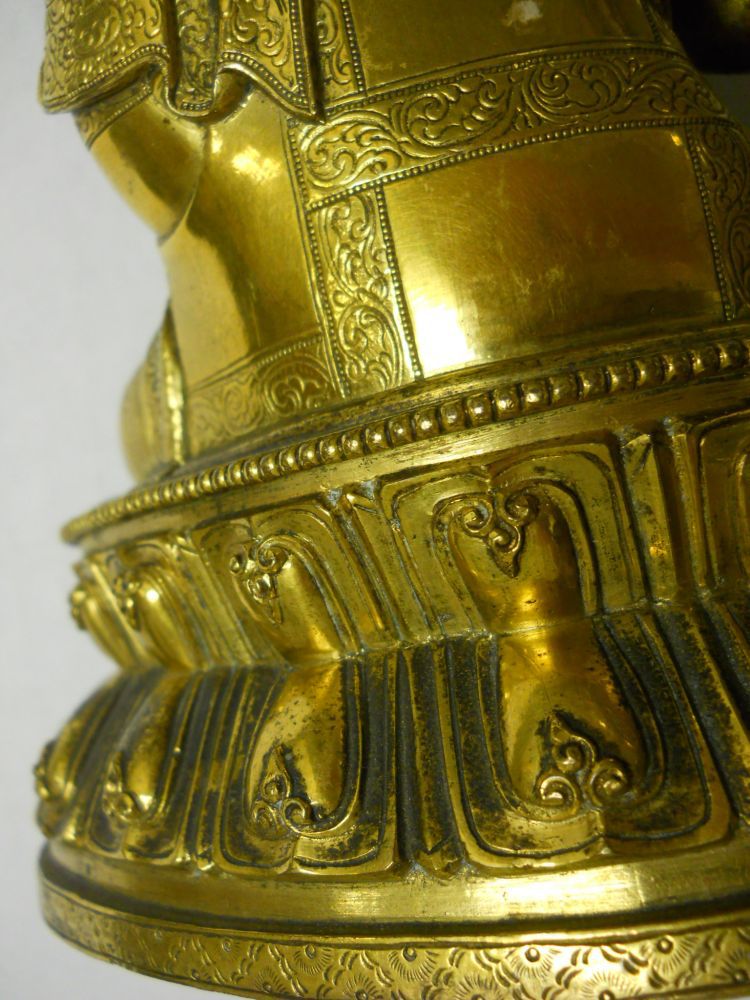
Mark of buddha on forehead. In buddhist art and culture, the urna (more correctly ūrṇā or ūrṇākośa (pāli uṇṇa), and known as byakugō (白毫) in japan) is a spiral or circular dot placed on the forehead of buddhist images as an auspicious mark. In buddhist art and culture, the urna (more correctly ūr?ā or ūr?ākośa (pāli u??a), and known as byakugō (??) in japan) is a spiral or circular dot placed on the forehead of buddhist images as an auspicious mark. In buddhist art and culture, the urna (more correctly ūrṇā or ūrṇākośa (pāli uṇṇa), and known as byakugō is a spiral or circular dot placed on the forehead of buddhist images as an auspicious mark.
Men wear it on auspicious occasions such as puja (ritual worship), or marriage, The dot is sometimes likened to a cosmic eye from which emanates the light of wisdom, or a third eye signifying the buddha’s or bodhisattva’s supreme. This particular dot is known to have existed in many statues and stupas in the iconography from different nations such as nepal , india ,.
This is the result of his having looked at others with compassionate eyes, having worked for their welfare, and having generated equal. What is on the head of buddha? This symbolism might be misinterpreted in all the religions like in hinduism religious people puts colour on their foreheads, married womans put sindur/bindi/vermilon on their foreheads.
It is often found on the 2nd and 3rd century sculptures of the buddha and bodhisattvas. The dot is called 'kumkum' or 'bindi', and when worn by men it is called 'tilak' (mark). There are no extant representations of the buddha represented in artistic form until roughly the 2nd century ce, partly due to the prominence of aniconism in the earliest extant period of buddhist devotional statuary and bas reliefs.
In buddhist art and culture, the urna (more correctly ūrṇā or ūrṇākośa (pāli uṇṇa), and known as byakugō (白毫) in japan) is a spiral or circular dot placed on the forehead of buddhist images as an auspicious mark. A dot on the forehead brings wisdom and a third eye to see unity. In buddhist art and culture, the urna (more correctly ūrṇā or ūrṇākośa (pāli uṇṇa), and known as báiháo (白毫) in chinese) is a spiral or circular dot placed on the forehead of buddhist images as an auspicious mark.
The black and white portions of a buddha ’s eyes are clear and distinct, with no red or yellow discolorations. What is the dot on buddha's forehead? What is the dot on buddha's forehead?
My assumption is that when devotees are initiated, he/she gets married to the lord and marks on forehead is the acceptance from the lord. Urna is the 31st physical characteristic of buddha. They are intended to symbolize the spirit of the buddha—his realization and attainment as an ideal to be sought after—and often include features similar to the halos and other signs of spiritual power seen in christian iconography.
In buddhist art and culture, the urna (more correctly ūrṇā or ūrṇākośa (pāli uṇṇa), and known as byakugō (白毫) in japan) is a spiral or circular dot placed on the forehead of buddhist images as an auspicious mark. The mark the 144,000 (the body of christ) have on their brow or forehead are triangular seed crystals. What is the dot on the forehead of many figures?
Urna, the mark in the centre of the forehead, called the eye of wisdom, also depicted as a bundle of rays or fine hairs between the eyebrows. So all of these beings are now. Usually hindu women, priests, monks and worshippers wear it.
A bindi is an auspicious mark worn by young girls and women in india. A number of early discourses describe the appearance of the buddha, and are believed to have served as a model for early depictions. In hindu religion in india man use to put a straight line mark or a 'v' mark on their forehead which is known as tilak which generall is formed by sandalwood paste, and which represent the god.
The name is derived from “bindu”, a sanskrit word for “point” or “dot” and is usually red in color made with vermillion powder which is worn by women between their eyebrows on the forehead. The buddha has a mark on his forehead because he 'red dot' on the forehead is not always only red and nor is it always a dot. These are literally grown there during the ascension process.
It symbolizes a third eye, which in turn symbolizes vision into the divine world; A concave circular dot on the forehead between the eyebrows. This buddha statue with candles is a good choice for all fire or earth.
Sometimes it is represented with a jewel. You may have come across many buddha statues and buddha heads in which a small hairy dot appears between the eyes of the figure.